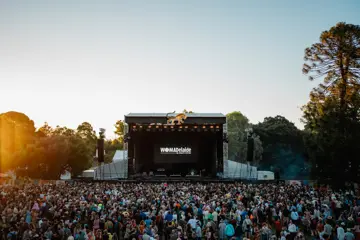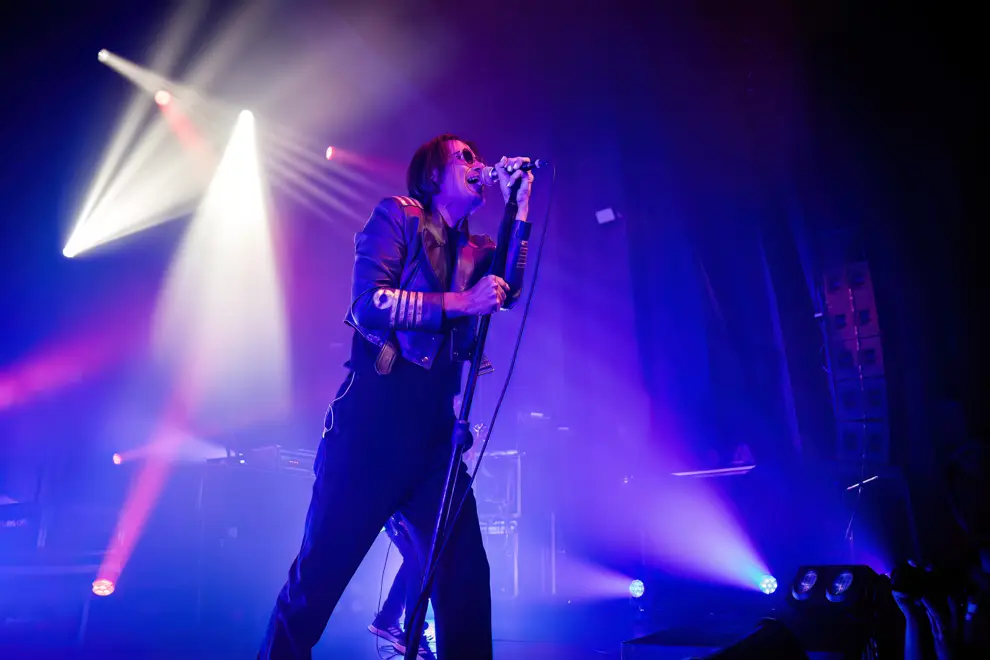
In a win for the New South Wales live music scene, the Chris Minns Labor state government has unveiled a world-first bill to protect venues, events and festivals.
Under the Contemporary Music Act 2026 – part of the government’s ten-year Contemporary Music Strategy – the legislation will enshrine new, vital protections to safeguard NSW’s music scene.
The legislation recognises a new three-tier system of ‘dedicated’, ‘significant’ and ‘live music’ venues, updates the definition of concerts to allow more local acts to perform, and introduces a new noise assessment methodology for outdoor events so wind gusts don’t trigger noise breaches.
Additionally, the bill will offer dedicated and significant venues access to free mediation support for dispute resolution, end music genre-based discrimination, enshrine human creativity in the age of AI, and provide guiding principles for government agencies, including local councils, to ensure live music is supported.
NSW’s bill follows Victoria’s current Premier, Ben Carroll, who pledged to introduce entertainment zones in Melbourne to protect live venues from residential noise complaints if re-elected.
“This legislation provides vital protections for our music industry, an industry which was smashed by lockouts, lockdowns, and overregulation, and it demonstrates the importance of live music to the economy and the cultural fabric of this state,” said NSW’s Minister for Music and the Night-time Economy, John Graham.
He added that the bill will introduce “important and common-sense changes,” such as changing the definition of concerts so they’re not classified as music festivals, and clearing up extra red tape.
“We’ve already introduced a massive range of support for contemporary and live music in this state,” Graham continued. “This world-first legislation is about building a sustainable future, and helps venues and fans relax and enjoy their next great gig.”
Jess Keeley, Chair of the Association of Artist Managers (AAM), praised the bill, saying the changes will ensure “artist managers are formally recognised as their own essential role in the music ecosystem, and whose contribution is worth protecting.”
The Presets’ Julian Hamilton added, “These laws mean we can now invite an extra Sydney-based artist to join our All-Australian lineup on Foreverafter – a big gig we’re curating at the Carriageworks in January.
“We’re fans of any changes to the law which make NSW a better place for live music and for live music venues – and we thank the NSW government for engaging genuinely with our sector.”
Emily Collins, Head of Sound NSW, described the bill as containing “important recognition” for the state’s music industry. “The changes will provide greater certainty for industry, government and event organisers, supporting continued growth, encouraging investment and cementing NSW as a global music destination,” Collins added.
APRA AMCOS also welcomed the Contemporary Music Act 2026.
“Songwriters have spent too long watching gigs being cancelled or loaded with conditions because of the kind of music they write and perform,” said APRA AMCOS CEO Dean Ormston. “Ending genre-based decision-making across government is a principle we’ve argued for over many years, and we’re glad to see it in legislation.”
Addressing the changes in red tape, Ormston continued, “The 2020 reforms cleared away a generation of red tape and gave councils the power to create special entertainment precincts. The precincts being rolled out now are built on that work.
“Six years on, NSW has gone from being the hardest place in the country to put on a gig to having support for music written into law. We thank the NSW Parliament for passing these laws. We also acknowledge the tireless work of Minister John Graham, who has driven this reform, and the team at Sound NSW.”