 Bluesfest Profile
Byron Bay’s Bluesfest with its 36 years of blues, roots, and world music will not go ahead in 2026.
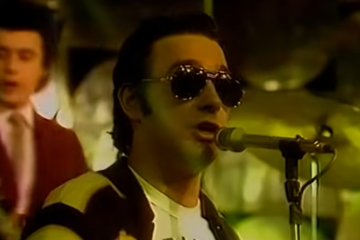
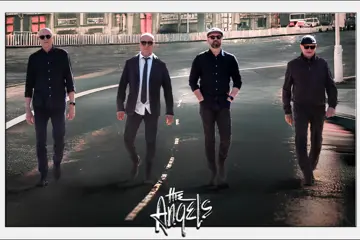
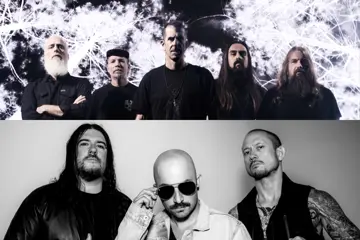
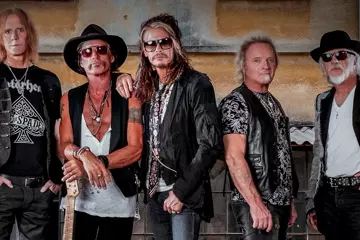
On 12 March 2026, Bluesfest Enterprises Pty Ltd was placed into liquidation. The timing is brutal. The festival was barely three weeks from its scheduled Easter run (2–5 April), with an impressive lineup featuring Parkway Drive, Erykah Badu, Split Enz, Earth Wind & Fire, and dozens more.
This is not just a cancelled show, it's a formal insolvency with real consequences for artists, crew, suppliers, and the tens of thousands of ticketholders.
What Does "Liquidation" Actually Mean?
Liquidation is the legal end-stage of a company's life where the company is insolvent – that means it cannot pay its debts – and an independent liquidator takes control.
The liquidator's job is to sell any remaining assets, investigate the company affairs and actions of the directors, in order to distribute funds to creditors in a strict legal priority.
This is different from administration (where restructuring might still be possible) or simply cancelling an event. Once a liquidator is appointed, the company is done.
What Artists Need To Know
If you were booked to play, you're now an unsecured creditor of an insolvent company. Your claim. may include any unpaid performance fee or any costs already incurred (flights, accommodation, visa fees, equipment hire).
It is important to consider:
Kill fee provisions: your contract may allow you to keep any deposit that was paid.
Balance of fee or breach of contract claim: It will depend on the terms of your contract whether your full performance fee becomes an unsecured claim in the liquidation or whether you can claim your out of pocket losses.
Check insurance: if you have cancellation/non-appearance insurance you may be covered. It is unknown yet if Bluesfest held insurance in favour of the artists.
Creditor claim: lodge a claim at worrells.net.au to preserve your claim in case of insurance.
One potential issue that may arise for artists that have been paid a deposit in the last six months is the risk the liquidator may seek repayment of that amount. This is a real risk if the artist suspected Bluesfest was insolvent. If you receive a demand for repayment, immediately seek legal advice.
What Ticketholders Can Do
Worrells has been blunt: "it seems unlikely that you will be refunded from the liquidation any money."
You do have a few options:
Credit card chargeback: Contact your bank immediately and request a chargeback on the grounds that services were not provided. Most banks allow 120 days – although some are calculated from the transaction date and others the expected service date.
This is your best realistic option for recovery depending on your date of purchase.
Paypal buyer protection: You may qualify for a “Item Not Received” claim if you fall within the 180 day from payment window.
Insurance: Check ticket insurance and travel insurance policies. Event cancellation from insolvency may or may not be covered.
Creditor claim: Lodge a claim at worrells.net.au. As an unsecured creditor, you rank last in the payment queue but register your claim anyway.
The Payment Waterfall
Under the Corporations Act, creditors are paid in strict priority: (1) liquidator's costs, (2) secured creditors, (3) employee entitlements, and (4) unsecured creditors – where ticket buyers, artists, and suppliers sit.
By the time the liquidator works through categories 1 to 3, there's frequently nothing left (or at best a very small amount to share equally among all the unsecured creditors).
The word "potential" in Bluesfest's statement about refunds is doing heavy lifting and not in secured creditors’ favour given the liquidator has already indicated to ticketholders this seems unlikely. This will apply to artists as well.

White Sky’s Kavisha Kuruk
Why This Is Happening
Bluesfest's collapse is not isolated. Australia's festival sector is in crisis: rising insurance, logistics, and production costs; lower ticket demand; and limited government support. Bluesfest generated $230 million in NSW economic activity in 2025 alone yet couldn't make the maths work.
Splendour In The Grass and Falls Festival are examples of festivals that are struggling or paused, while the likes of Groovin The Moo recently announced a comeback – albeit as a standalone affair.
What Happens To The Brand?
Liquidation of the company doesn't necessarily kill the Bluesfest brand. The liquidator may sell the intellectual property as part of realising assets.
Precedent exists: Soundwave and Future Music Festival both collapsed and were later revived under new ownership. Whether anyone will revive Bluesfest remains to be seen, but the 36-year brand has residual value.
If you're a ticketholder, call your bank now. If you're an artist or crew, seek legal advice. And if you had a ticket for Easter in Byron Bay, we feel the disappointment. That would have been something special.
This article is general in nature and does not constitute legal or financial advice. Seek independent legal advice regarding your specific position.
Kavisha Kuruk is a Partner at White Sky, the Australian music business and accounting firm.