 DOBBY Profile
For over a quarter of a century the Australian Children’s Music Foundation (ACMF) has been investing in the next generation of musicians, fans and industry.
Founded by Don Spencer (if The Wiggles are The Beatles of kids music, he’s Elvis Presley), the ACMF isn’t just for kids who are already connected. Like Elvis’ ability to cross genre, era and background, the ACMF wants all kids, no matter where in life’s lottery they’ve landed, to take up musical arms and build.
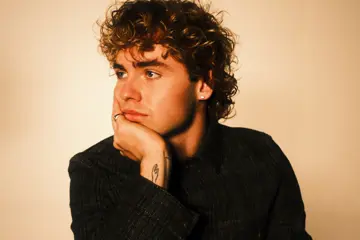
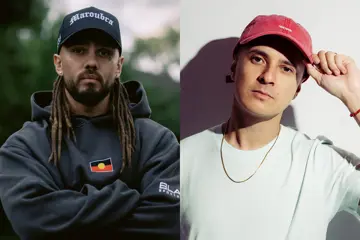
In addition to ongoing work across Australia in schools and correctional facilities, as well running the National Songwriting Competition, the ACMF has just launched a new six week intensive songwriting course at Cobham Youth Justice Centre in Western Sydney, with Kobie Dee and Dobby at the helm.
“The initiative is an extension of the music programs that we already do, where we have teachers that go in every week and deliver a two, or three-hour music program each week,” explained Frances Georgeson, General Manager of ACMF. ”And in conversation with the team at Cobham Youth Justice Centre we thought this would be a great extension of the work.
“It’s about giving young people an opportunity to express themselves through creativity and songwriting, and dig a bit deeper into the individuals that they are and create that space for them.”
Lots of the participants in ACMF programs generally, and those in youth justice centres specifically, are young people whose voices are not often heard, let alone valued.
Often part of cycles of disadvantage or discrimination, they’ve missed opportunities to build their self esteem and worth in life generally, let alone consider music as a pathway to either a career or just a fulfilled life.
This Cobham program – fittingly titled Hear Me Out: Music Behind Bars – sees local legends Kobie Dee and Dobby taking part as musical mentors and teachers, proof of the connections of ACMF and the respect those in industry have for wanting to hear and nurture these young ones.
Kobie Dee has seen first hand the power of the ACMF’s programs, having been part of them when he was a kid at La Perouse Public school in Sydney’s south east. It’s where the foundations for Maroubra Villain were likely laid (and just a short bus ride down the road).
Now Kobie’s kids attend the same school, and the same music programs, and his commitment to the area and the programs has built not just his own work, but that of those around him through his studio also in the area, Twenny47 Studios.
“I’ve been visiting and speaking in these centres for a while now and have always been keen to do some music workshops and mentoring, so when this offer came through I knew straight away I’d say yes,” Kobie told us.
“I definitely see myself in these young people when I’m working with them, so in a way it’s coming from a place of giving these young people things that I needed when I was their age. A lot of these young people have never had positive male figures in their lives and if I can influence them to want to go for their dreams and change their lives around, then that’s the biggest blessing in my eyes.
“I would really love to see these young fullas step into this with pride in their stories,” he adds. “I would love to see some of these young lads on stage and in the studio working towards their dreams on the outside, I want them to see that it is possible and their circumstances don't define their future.”
Preparing for the Cobham cohort, Dobby explained the connection between his work and his outlook in general.
“There's so much power and potential, and truth-telling in the stories of the young ones,” he notes. “Because, I think among other things, they're so connected to their emotions. And the stories to tell are so passionate.
“They are the change makers of the world. So, you know, any and every opportunity that I get to make workshops, run workshops, make music with the youth is an honour and an opportunity. And, you know, I don't take it lightly. So, yeah, I was very, very honoured to take part in this.”
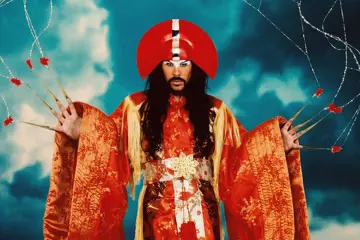
Like Kobie Dee, Dobby’s own music connects to community and his own memories, including literal recordings at times, of his younger self. His recent MARSHMALLOW album included recordings that sometimes felt like a literal return to a younger time – an affinity with that position that isn’t nostalgia but a want to build the future.
“I have a foolproof little module that I have been working on, actually with the Department of Education,” Dobby continued. “I love to see hip hop being recognised in education because it's a tool, not just therapeutically, but educationally. There's so much in what music does. And I'm biased, but there's so much in what rap does as well.
“And what I usually do is when I go in – this works for kids and adults alike – you start with a word, you find the rhyme of the word, you put that at the end of the page and you let them fill the story. And it's as simple as that, yet so powerful because it allows the absolute freedom to be able to express.”
You might imagine things could go a bit rogue when young people, particularly those who have fallen between the cracks or been betrayed, are allowed to speak up and out. For Dobby, the opposite occurs.
“There's a respect behind the song making process, and I think that's no exception to, you know, in the Youth Justice Centre as well,” he says. “I think we all understand music universally as a tool with which to express yourself.
“And that's just the most amazing thing. I mean, it goes really far beyond just the music making process. I think it helps mentally, spiritually, physiologically as well. Music is just such a game changer and it should be afforded to everyone.”
The Cobham Youth Justice Centre intensive is just one of many initiatives the ACMF runs. While not every ACMF kid will become Dobby or Kobie Dee, the importance of making people feel part of a musical community is the aim.
“These songwriting workshops provide a safe space [for young people] to express themselves,” Frances confirmed. “By giving young people the opportunity to express themselves, I think they’re able to connect more deeply with who they are and what their future might look like. Music can provide a pathway to help them see that their future can be more positive than what they may have experienced so far.
“It becomes a really important bridge to the next stage of their lives — something positive they can carry with them when they leave, and hopefully use as a foundation to build a better future for themselves.”
For further information about the ACMF and their programs in Youth Justice Centres, visit their official website.
This piece of content has been assisted by the Australian Government through Music Australia and Creative Australia, its arts funding and advisory body