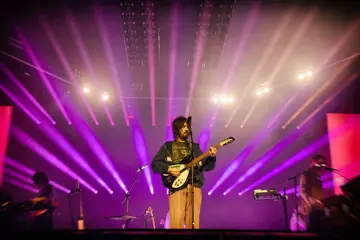
The word ‘unsound’ refers to something that is not robust, in poor condition. Unsound Adelaide is anything but.
The beloved experimental mini-festival offers up a world where “music breaks free from convention and soundscapes defy expectation,” and it will return to Illuminate Adelaide - the city-wide winter event focused on art, light, music and technology - this year, from July 10th to July 11th, to turn up the volume as promised.
Unsound began in Krakow, Artistic Director and Co-Founder Mat Schulz explains over the phone. “It was a passion project. We weren’t aiming to make a big international festival; the idea was just to make a more local festival involving polish and international artists.
“Our motivation was simply to put on music that we liked, and create something that didn’t really exist.” At the time, there were few festivals across Europe that delved wholeheartedly into experimental sound. “It’s very different now.”
The festival's intention might not have been international, but since its inception in 2003, iterations of the Unsound Festival have taken place in New York, London, Osaka, Berlin, and beyond; it has become a global network of sound.
“I was always interested in music that somehow pushes limits or is adventurous, or tries to do something new. If you have a festival, it’s possible to put all of that together and present it to the audience in an interesting way.”
He admits, however, that he has never been the type to attend “lots and lots” of festivals. Massive outdoor festivals, in particular, are not quite his cup of tea.
“I specifically enjoy the events that try to do something differently with the formula, or are willing to present a bunch of artists that people don’t necessarily know, artists who aren’t necessarily just travelling on the festival circuit,” he shares. Schulz cites examples such as Atonal and Rewire. Intentionality is what he prizes in this genre of event. “Events that are more boutique or carefully-shaped, which help artists present, develop, or commission new work.”
The first Unsound Adelaide took place in 2012, as a part of the Adelaide Festival, at the invitation of Festival Director David Sefton. “After his tenure ended, we were presented as an independent festival, and then we became part of Illuminate Festival, and we put on our festival within their framework.”
Schulz has nothing but praise for the Illuminate Adelaide community. “This is a great and lasting relationship,” he says of his connection with Co-Founders and Creative Directors Lee Cumberlidge and Rachael Azzopardi. “It works really well. They’re very supportive of the ideas I present, which sometimes might be outside of the box.”
He is particularly appreciative of the fact that they are understanding of his penchant for artists who are not necessarily obvious headliners. “That’s what Unsound is known for generally, especially in Adelaide - right from the start we brought over artists who hadn’t even been to Australia.”
Once again, there were fewer festivals in this particular field of music at that time, but things have changed.
“With Unsound Adelaide, it’s still important for us to bring over artists who people might not know, who are just rising up or who we think are interesting. This is the ethos of Unsound all around the world. Definitely in Poland, and I think in Adelaide as well - because it’s gone on for so long there - there’s some trust in our curation and our programs in the audience that comes year after year.”
Indeed, next to Krakow and New York, Unsound Adelaide is one of the longest iterations of Unsound Festival.
“It’s kind of an unusual combination of cities,” Schulz says, laughing. “But I think if you look at the relationship between Adelaide and Krakow, it becomes more obvious. They’re both festival cities. The city authorities and the state support festivals. But they’re also both more peripheral cities; they’re not the capital cities, they’re not necessarily the obvious places where something like Unsound would occur.”
They always want to encourage visitors from other cities to come to Adelaide to watch the exclusive shows. “And I think it can be surprising to people from the other cities - Sydney and Melbourne - that artists are not necessarily going there, and they have to come to Adelaide to see a show. But that’s part of the tradition of Unsound at this point. People who are into this kind of music have gotten used to the idea of travelling.”
He describes the event as a “music pilgrimage” to Adelaide. “People come year after year because they trust the program, they feel attached to the festival somehow, and they also enjoy that the city is so walkable, that you can make your way around easily.”
He admits that he is sometimes surprised that the festival has been such a long-running tradition in Adelaide. “I guess it’s because people were willing to support it there for a long time, Lee and Rachael especially. But I’m really happy with that, I think it’s really great that it takes place in Adelaide.”
Unsound Festival varies slightly depending on the city in which it takes place. “In Poland, it’s a really vast undertaking - it crosses almost a week of events in multiple venues,” he explains.
“In Adelaide, it’s smaller, but we still think very deeply about what we’re putting on and how the different elements fit together, and how they fit into the venues. That’s also a very big part of Unsound: working with the architecture of the space where it’s being presented. It’s always a puzzle to put the pieces together.”
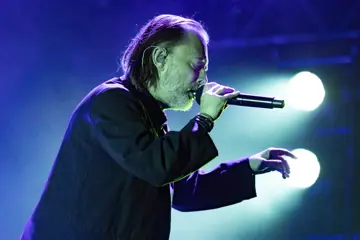
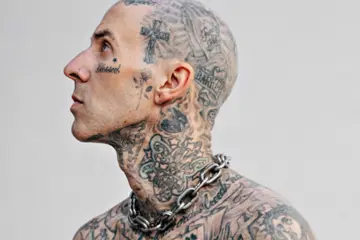
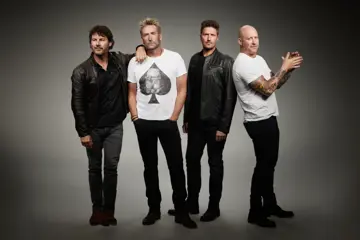
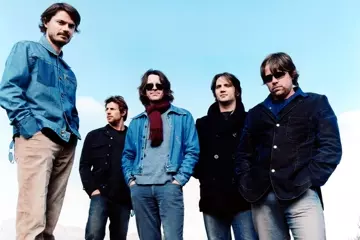
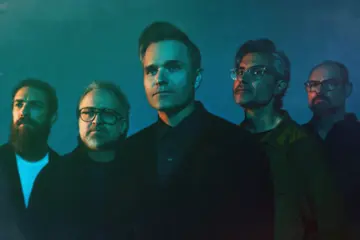
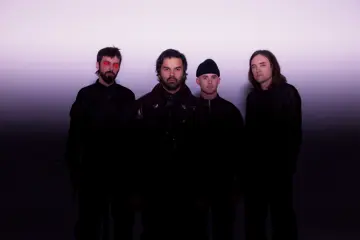
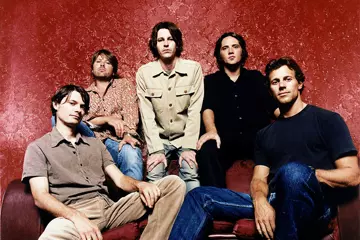
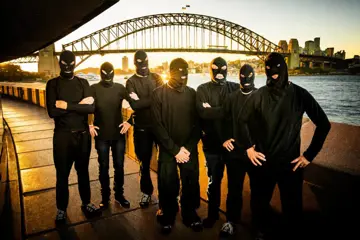
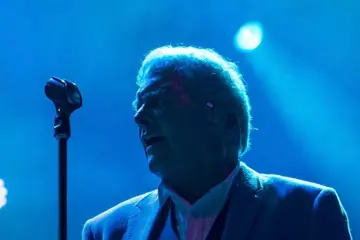
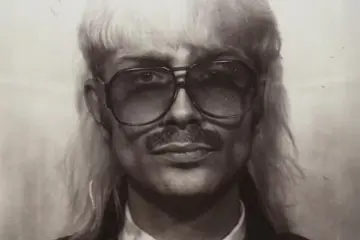
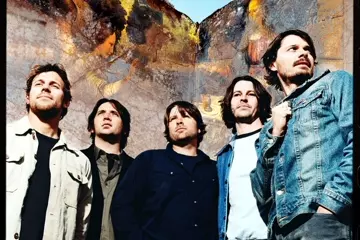
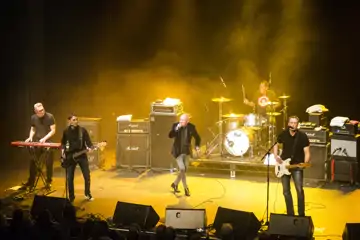
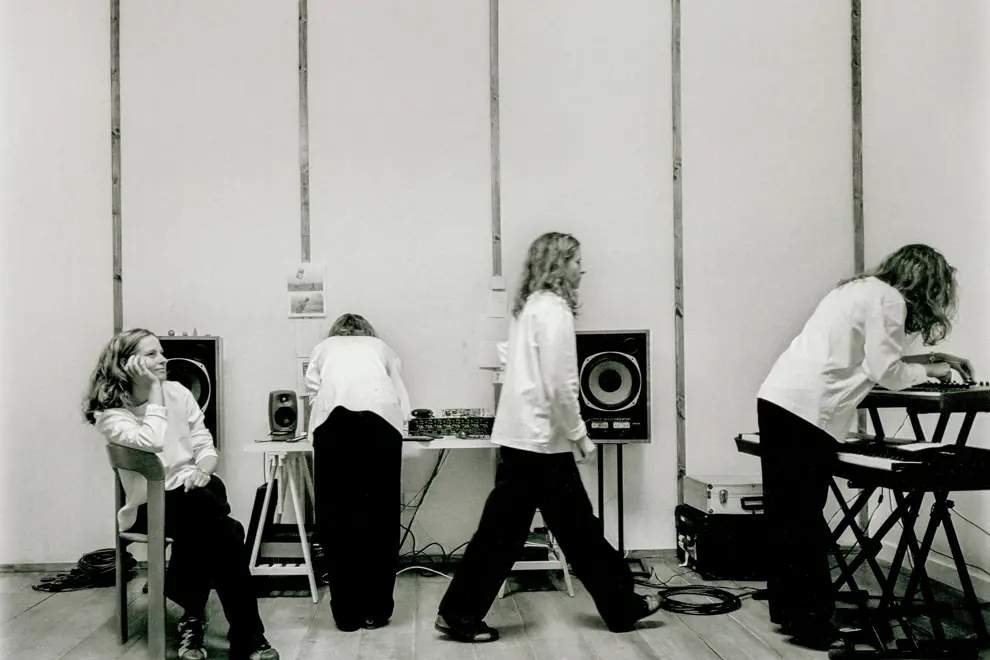
This year, Unsound Adelaide will take place at the Lion Arts Factory, Hindley Street Music Hall, and Ancient World. The program will showcase artists such as billy woods, Hania Rani, YHWH Nailgun, Colombian sound artist Lucrecia Dalt, Polish music producer, graphic designer, and audio director 2K88, London-based creative hybrid Shannen SP, and local DJ Elsie Craig, among many others.
“Putting on a festival, as anyone knows who’s done it, is a big, complex undertaking. Even putting on a night of music involves lots of work, I think,” he says. “The whole program is definitely based around a dialogue. We work closely with Lee and Rachael in terms of putting the program together.” That involves thinking deeply about the venues.
“We adapt venues. We often go into raw spaces, whether it’s a post-industrial area, a hotel, a church, different types of spaces.” One of his favourite Krakow venues, for example, is a nineteenth-century medical lecture hall. “For a while, we used the Dom Polski Centre in Adelaide. I love this venue, because it’s kind of like entering Poland in the 1970s or something.”
The Lion Arts Factory and Hindley Street Music Hall, as venues, allow the team to play around with the scale of the events. “And then, of course, we use Ancient World for the club nights and after parties. It’s a great space - not many places left like that in Australia. It’s super great that we can work with them, because I think it’s so important to engage with a venue like that in Adelaide.”
Engagement - total, active physical participation and mental involvement - is what Unsound Festival is all about. It is weird, and it is wonderful, and it is just what Adelaide needs.
Unsound Adelaide runs across the Lion Arts Factory, Hindley Street Music Hall, and Ancient World this July. Tickets and the program can be found here.