There is a particular kind of disappointment that comes from realising a gig you would have loved to have attended, showcased two nights ago without you ever knowing it even happened.
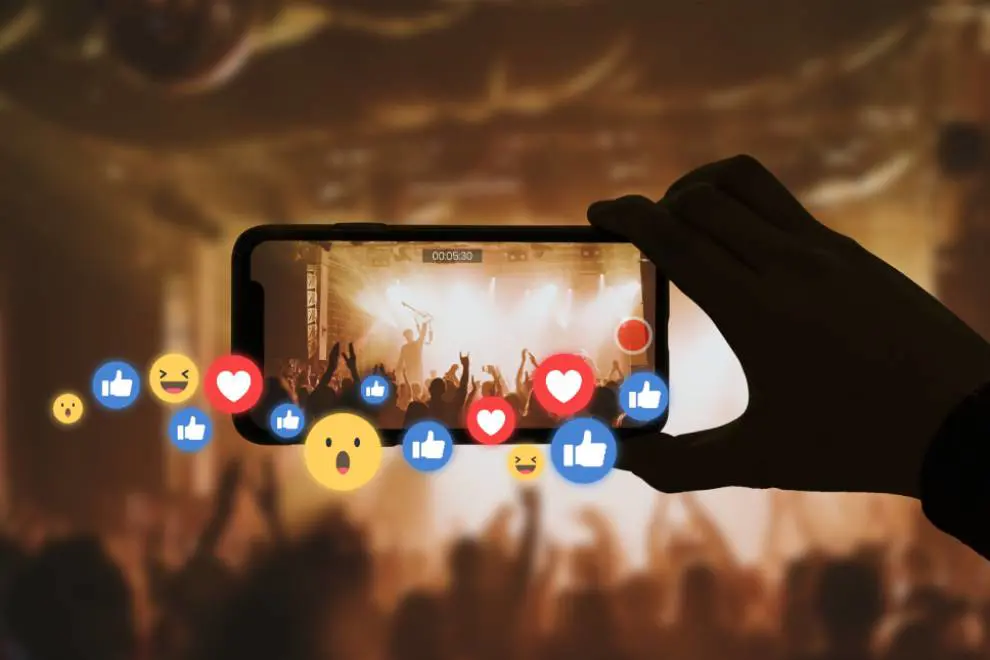
It usually shows up via Instagram, mid-scroll. The lighting is bad, the photo slightly out of focus, everyone in the room exactly as they should be; sweaty, packed in, living in the moment. Someone comments, “That was unreal.” Someone else asks, “How did I miss this?”.
That question is a common one as of late. And not because people have stopped caring about live music. If anything, it’s the exact opposite.
On paper, gig discovery should be easier than ever. Every show now has an event page, a post, a story, maybe a reel. Tickets are just a tap away.
But feeds can be ruthless. They do not care if a show is local or time sensitive. They reward what already performs well and bury what doesn’t, regardless of whether its relevant or not.
A band can announce a Tuesday night show at a 200-capacity room and watch it disappear under sponsored posts and algorithm-favoured content within hours. Miss that initial window and the information is effectively gone. Unlike a new album, a gig does not wait. There is no catching up next week. You were either there or you were not.
Somewhere along the line, gig-going shifted from something people actively sought out to something they expect to be delivered directly to their feeds.
Instead of checking venue listings or scanning weekly guides, audiences now rely on whatever their feed surfaces. If the algorithm presents it, great. If not, the assumption is often that nothing relevant is happening.
This works well for large tours and headline shows. Those announcements are loud, repeated and propped up by marketing budgets. Smaller gigs do not have that safety net.
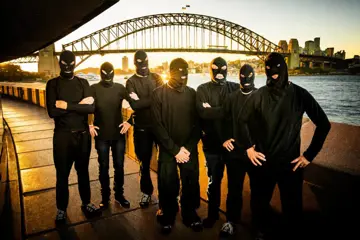
Think about how Amyl And The Sniffers built their following before anyone outside Melbourne had heard of them: 40-seat rooms, hand-crafted posters, word of mouth passed between people who actually showed up.
That circuit still exists. Those shows still happen. But the signal that once travelled through pub noticeboards now have to compete with content engineered for maximum algorithmic reach.
The shows that shape local scenes tend to be mid-week, loosely promoted, and passed around by word of mouth. Their value only becomes obvious once you are in the room.
Algorithms are excellent at reinforcing taste. Watch one live clip and ten more follow. Like one genre and similar content keeps appearing.
What they struggle with is context.
They do not know the support act will undoubtably steal the spotlight. They cannot tell the difference between a fine show and one that will stay with you for years.
As a result, discovery narrows. Familiar names repeat. Risk feels unnecessary. And audiences start seeing less without realising it.
A few years ago, a mid-week show at a venue like The Lion Arts Factory in Adelaide, or The Enmore Theatre in Sydney, could develop a reputation on the night itself. People texting friends at the bar, strangers recommending it in the smoking area. That friction was generative. The algorithm removes it, and something is lost in the smoothing.
Adelaide artist Piper Wallin knows this firsthand. "Social media makes music more accessible, and can sometimes be over-saturating and repetitive," Wallin says.
"Live music captures the authenticity of the artist, the magic that happens right then and there."
Wallin is not anti-algorithm, rather she sees real value in platforms for promotion and streaming. But she is clear about where the limits are. Social media, she argues, can be "dampening for live gigs."
Ask venue staff, promoters or booking agents and the story is consistent. The shows are still happening with a shared vibe; perhaps less likely reciprocated with vertical swipes on the socials. The quality is still there. Attendance, though, is unpredictable.
One night sells out. A similar bill the following week struggles. Not because the music is unpalatable, but perhaps the signal did not land in the right places at the right time.
Local scenes rely on momentum: familiar faces and people showing up, even when they do not know every name on the bill. When discovery is untethered into individual feeds, that rhythm breaks apart. Everyone knows something different. Everyone finds out too late.
The people who miss the fewest gigs are rarely the most online.
People follow venues, not just artists. They subscribe to promoter mailing lists and check their calendars manually. They open emails and scroll gig guides weekly; the way thousands of avid music enthusiasts choose The Music to guide them through the music ecosystem of bills.
Because the point is not to see everything. It is to catch the shows the algorithm does not consider important, which in some cases, are the ones that end up mattering most.
Early gigs are so important for not just the artist’s confidence but building an audience. They are where songs stretch, ideas shift, and scenes stay fluid. They are also where risk gets tested.
When those rooms are half-empty due to limited promotional discovery, the damage is gradual.
The algorithm does not care. It is not designed to. Live music matters.
So, are we missing the best gigs?
Often, yes.
But not because they no longer exist. They are simply happening just outside the frame. The Tuesday night shows with no hype, the line-ups that look strange on paper, the venues that only make sense once you are back inside them.
Yet sometimes the solution is not a smarter platform or sharper targeting. It is deciding to participate in discovery again, even when it feels inefficient.
Because the best gigs still happen the same way they always have. Someone heard about it. They turned up and were glad they did. It is the dopamine moment that takes us all out of the everyday reality. In a world where everything is streamed, catalogued, and curated, live music remains stubbornly, gloriously unassuming, and uncontrollable.
It can’t be paused or rewatched. The real point… there is no chance of irreversibility. No social media reel captures it, unlike being in the present. No playlist replaces it. It's sweaty, loud, and one night only. The algorithm didn't bring you here. The human connection did.
At the end of the day, it’s crystal clear: Live music matters.
This piece of content has been assisted by the Australian Government through Music Australia and Creative Australia, its arts funding and advisory body