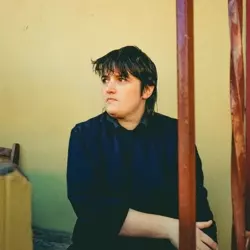
 Cash Savage & The Last Drinks Profile
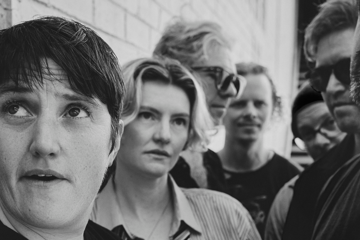
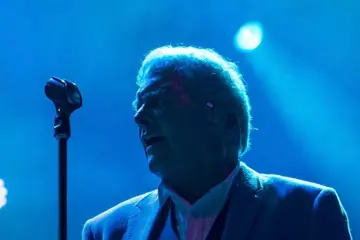
The moment you hear Cash Savage's voice, it's clear there's something special here. The singer/songwriter permeates her songs with venom and virtue, soul and snarl, and her live performances uphold such contrasting notions perfectly. Only two years after her debut album Wolf, Cash Savage and The Last Drinks are back with The Hypnotiser, a record showcasing more raw power and emotion. The album is incredibly lush, with added strings, horns and a full choir fleshing out the tracks. These elements seem to stand at odds with the subject matter, but for Savage it's all one and the same.
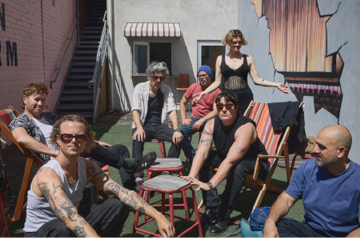
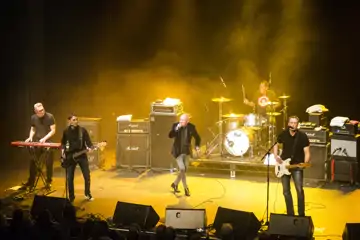
“We always intended to have that choir on there, and we're a seven-piece band, sometimes eight, and so we have that big sound anyway,” Savage asserts. “I think we went for it on the album, but as far as seeing us live, it isn't raw in the sense that it sounds cut back, it's raw because it's immediate, it's right there in front of you.”
The Hypnotiser sounds like an album album – fully considered and realised. Not quite.
“When we stepped into the studio, I wasn't 100 per cent sure what we'd take out,” Savage admits. “The attitude I had wasn't to focus on the end product but to not plan, to be open to things. Having Nick [Finch – producer] in the control room meant I had trust that we could do whatever and be reined in if we needed it. I was genuinely surprised when I heard the finished product, as I thought it might've been more upbeat. I'm not someone who can think something and make it happen exactly that way; I don't write or perform like that, so it'd be stupid to try to create an album in such a way. I just be, and let things become what it is.”
There's a heavy focus on Savage's lyrics, which touch mainly on melancholy subject matter that imbues her vocals with even more evocative power. Most of her stories come from close to home – with the odd exception.
“I wrote 95 Miles To Sandy Point based on a story of a friend of mine,” she explains, “who had to go to court because he'd picked up the Black Sunday hitchhiker on the side of the road to Sandy Point. What took me about his story wasn't that he was going to court as a witness or that he picked up the hitchhiker; it was that he had to see his ex-girlfriend that he hadn't seen since they had broken up after the incident but both had to testify because they were both in the car. I was attracted to this man who had a job to do – go into court to testify against this guy whose done terrible things. [But] that wasn't the issue; he was apprehensive about seeing his ex after such a long time. That's just ridiculous, and it's the kind of story that interests me.”