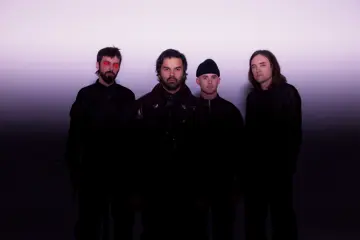
 Mogwai Profile
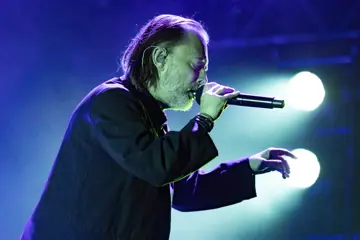
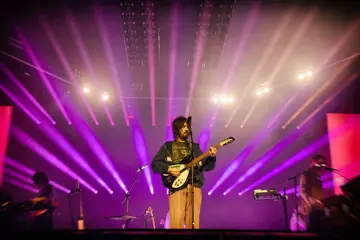
Thirty years into their existence, Mogwai still perform like a group trying to physically destroy the gig venue they are performing in with their decibels.
They are a cool band. Like they don’t give a fuck what the world thinks of them type of cool. They have never reached for the radio, festival headlining slots, or magazine covers. They are about taking mescaline, turning the lights down low and locking the fuck in.
Touring Australia as part of Vivid LIVE to celebrate their 30th anniversary, the Glasgow veterans delivered a set that felt less like a nostalgic anniversary lap and more like a demonstration of endurance; emotional, musical, almost spiritual endurance.
The crowd was a melting pot of arts students, death metal heads, prog rock monsters and Kyuss fans. And it’s not a gig you’d want to lose your friends at, considering 98% were Anglo-Saxon males with thinning hair, skinny jeans and red wing shoes. But what the gig may have lacked in crowd diversity, the band easily made up for as they brought us on their thirty-year sonic journey.
The thing about Mogwai is that every live review eventually reverts to describing volume. Critics have spent three decades reaching for increasingly ridiculous metaphors: jet engines, tectonic plates, cathedral organs detonating in slow motion. So, why should I break procedure? The band are still absurdly loud. You know that little flap on your tonsils? Yep, it’s called a uvula, and Dominic Aitchison’s bass was making mine vibrate for most of the gig. It can’t be a healthy amount of noise for the body to ingest.
During How To Be A Werewolf, the low-end frequencies rolled through the Forum floor like someone dragging industrial machinery across a metallic grate. But reducing a Mogwai show to sheer decibel worship misses the point entirely. What makes them special in 2026, and what has made them rise above their peers for the last thirty years, is their control and discipline. They know exactly when to compress your ribcage and exactly when to leave enough silence hanging in the air to make 2,000 people feel like they are hanging off a cliffside.
The setlist itself leaned heavily toward the ambient melancholy that has increasingly defined Mogwai’s later years. With the 30th-anniversary branding, one might have hoped for a deep-cuts marathon or a more cohesive, chaos-heavy retrospective suite. Instead, the band delivered a curated cross-section of every version of Mogwai that has existed since 1995, like a sampling platter.
Early in the set, Cody arrived like a transmission from another lifetime, its delicate vocals drifting through with eerie intimacy, so reminiscent of their Minnesota friends Low. Then came the Krautrock-inspired Ritchie Sacramento, which, when played live, mutated into something more urgent and more physical than its studio version; guitars grinding against each other with a tension that has made such a trademark of their career.
What’s striking about modern Mogwai is how little they care about the expected dynamics of legacy-band performance. There’s no sentimental speech about their career or legacy. No self-congratulatory montage of old photos behind them on a screen. Stuart Braithwaite barely addressed the audience, save for a few thank-yous, as the band let the songs narrate the history.
Finishing with the triumphant Lion Rumpus, the distorted guitar solo carried the kind of emotional weight that reminds you why half the post-rock bands formed in the last two decades probably owe these guys a few beers. Just don’t call them post-rock to their face.
And honestly, these contradictions are part of why Mogwai are still a cool band. Plenty of bands limp to the thirty-year mark by becoming heritage acts; they become their own cover band, safe, polished, preserved-in-brine versions of themselves that try to recreate their past.
Mogwai are still unpredictable and dangerous. Even standing there inside The Forum next to my middle-aged brethren, all of us wearing noise-cancelling earplugs, there was still a feeling that the entire thing could veer off the rails at any second. Many people have talked about the wall of sound, but not many bands let you watch the wall get built brick by brick, only then to tear it down for fun.
The encore hammered that point home. My Father My King, the twenty-minute epic that formed their one-song EP from 25 years ago. Not many songs encapsulate this band better. It has moments of unbearable tenderness and hypnotic fervour, before stretching and expanding to its own breaking point. And just as the composition reaches the point where it feels like it’s going to overwhelm itself, it detonates into a puddle of buzzcut distortion. This is what we came for.
That’s not every fan walked away completely satisfied. I personally don’t think the band should ever play a gig and not play Auto Rock, but there is something fitting about Mogwai refusing to become a jukebox. They’ve spent thirty years avoiding easy sentimentality, and they weren’t about to start now.
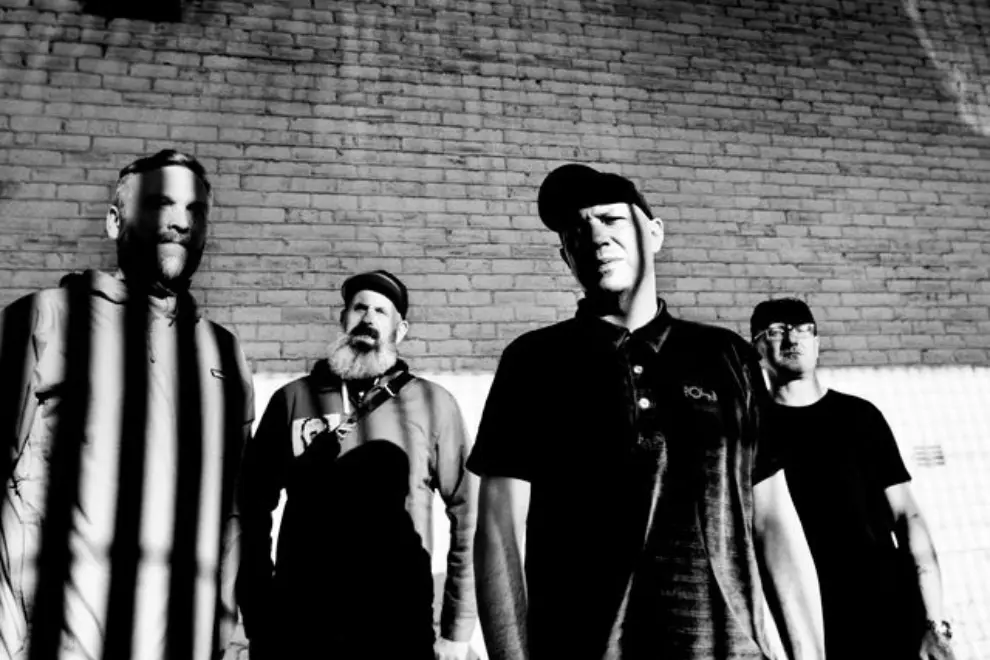
Mogwai are proof that creativity and bravery do not need to have an expiration date in the music industry, and their music still captures the anxious, overwhelming feeling of modern life better than most bands. Tonight was a celebration in the only way they know how: a ninety-minute pummelling of controlled emotional release delivered at ear-splitting volume by the four Scottish horsemen of the apocalypse.