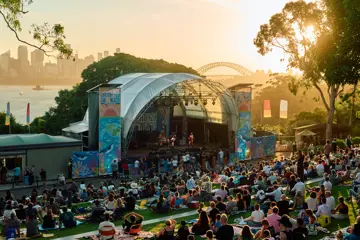
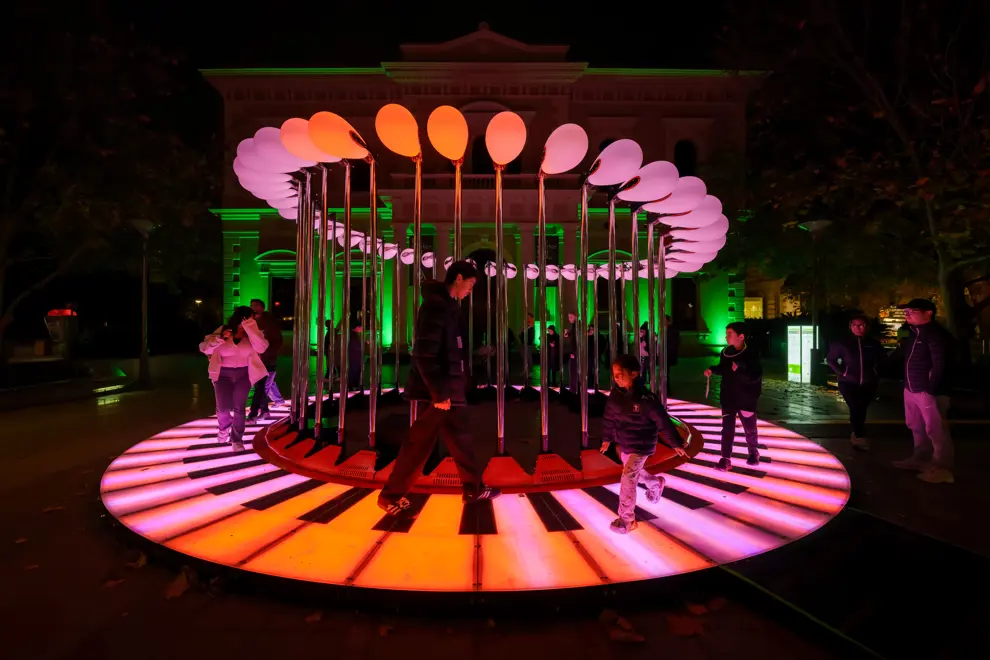
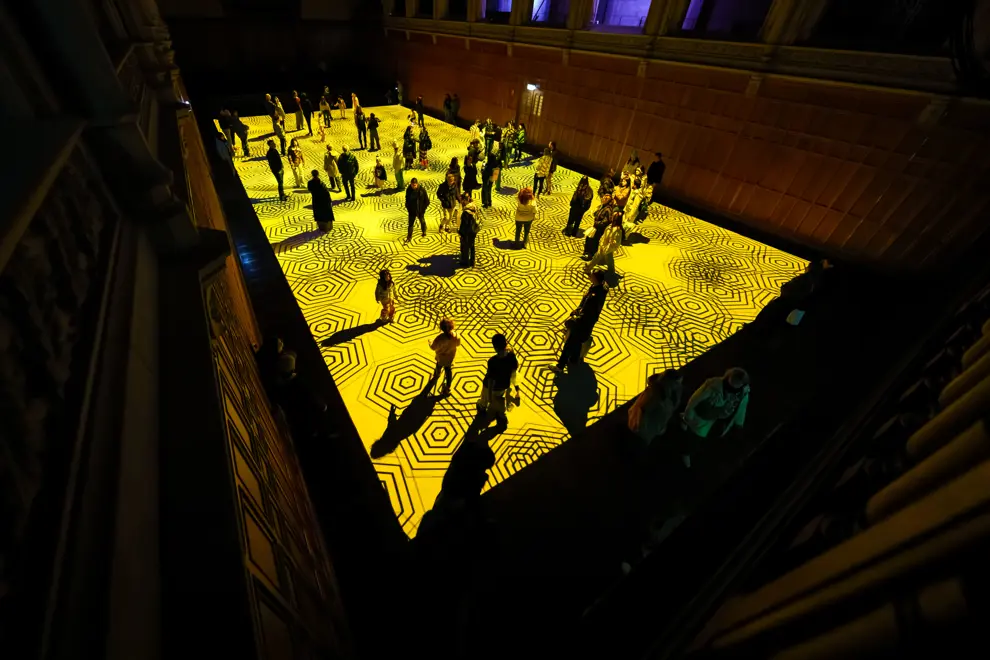
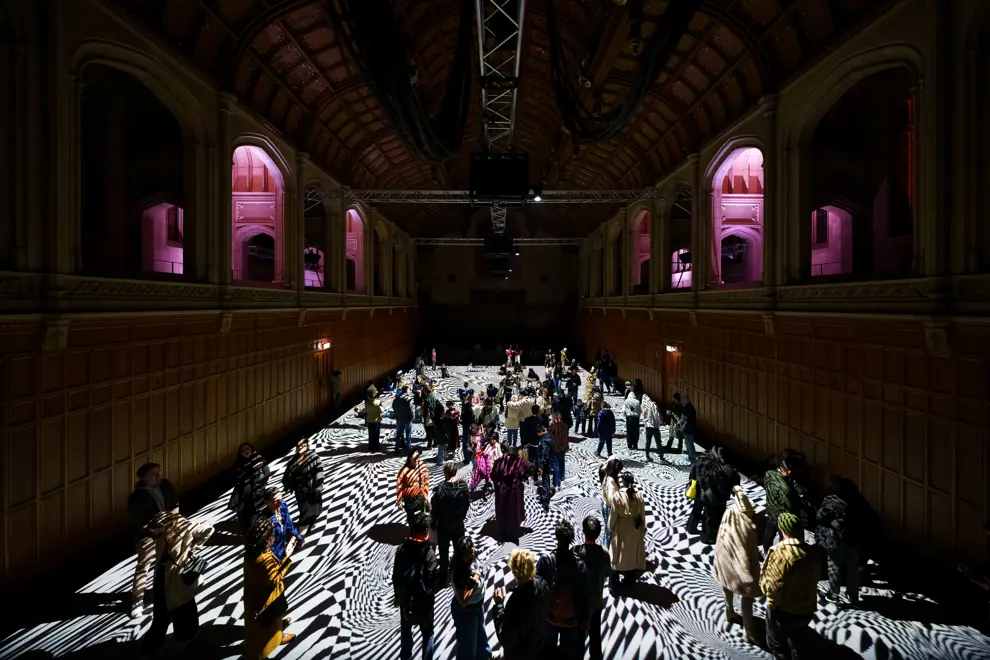
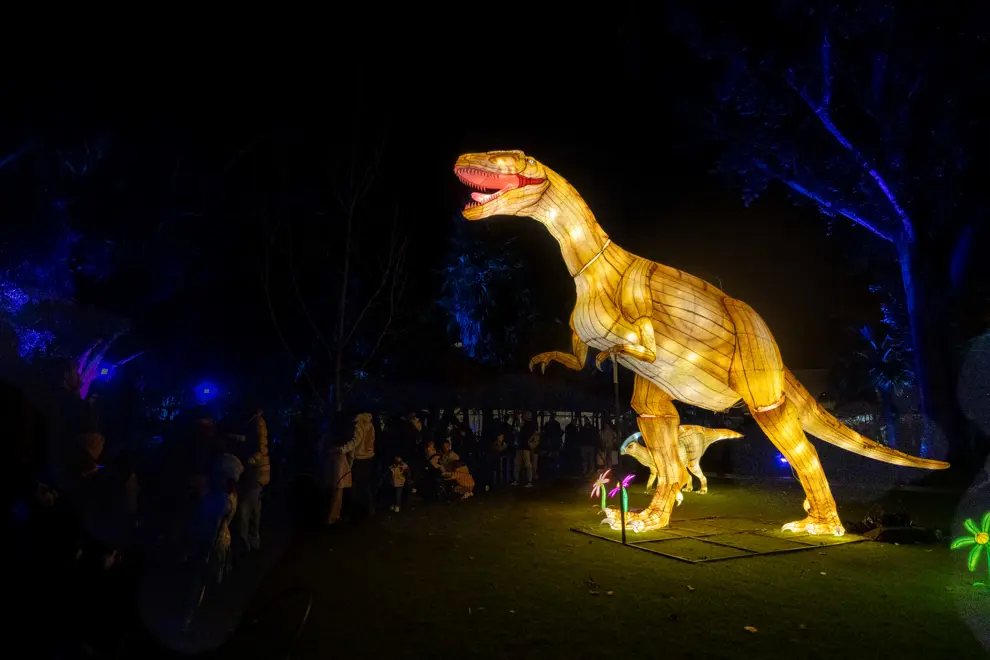
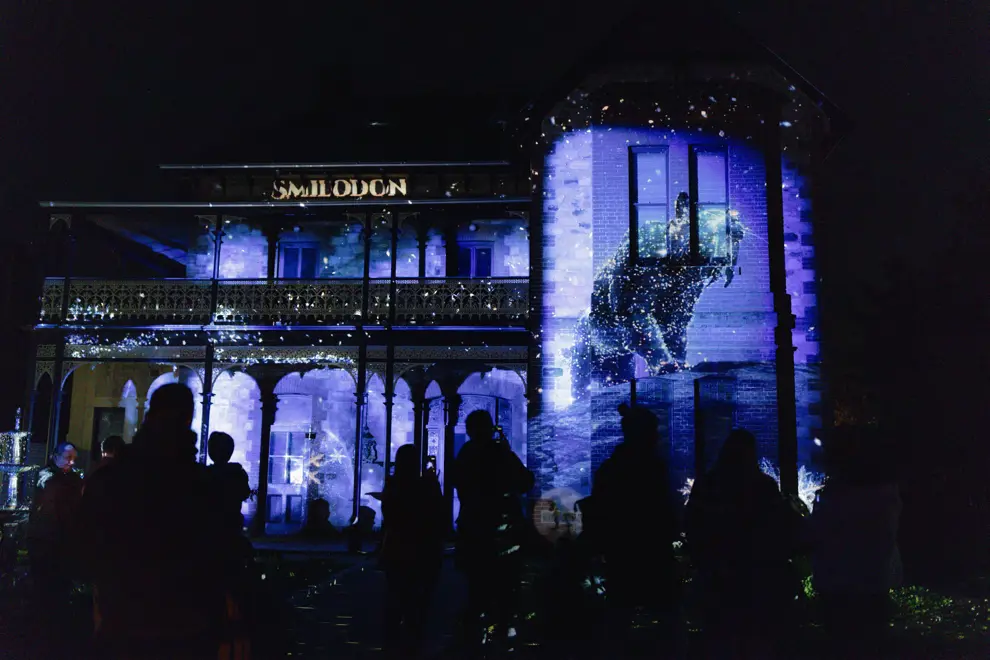
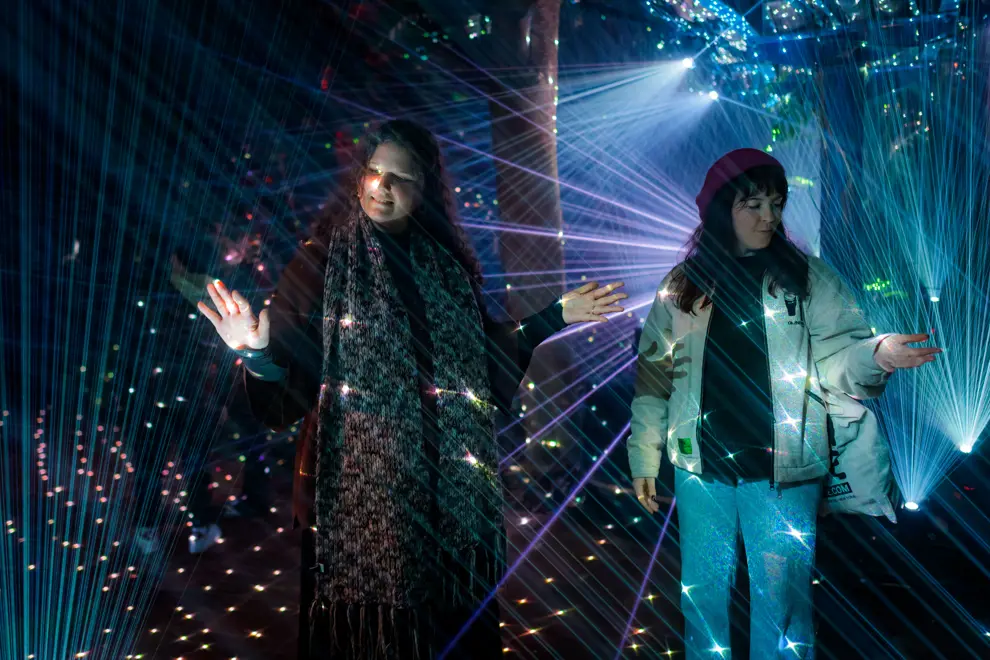
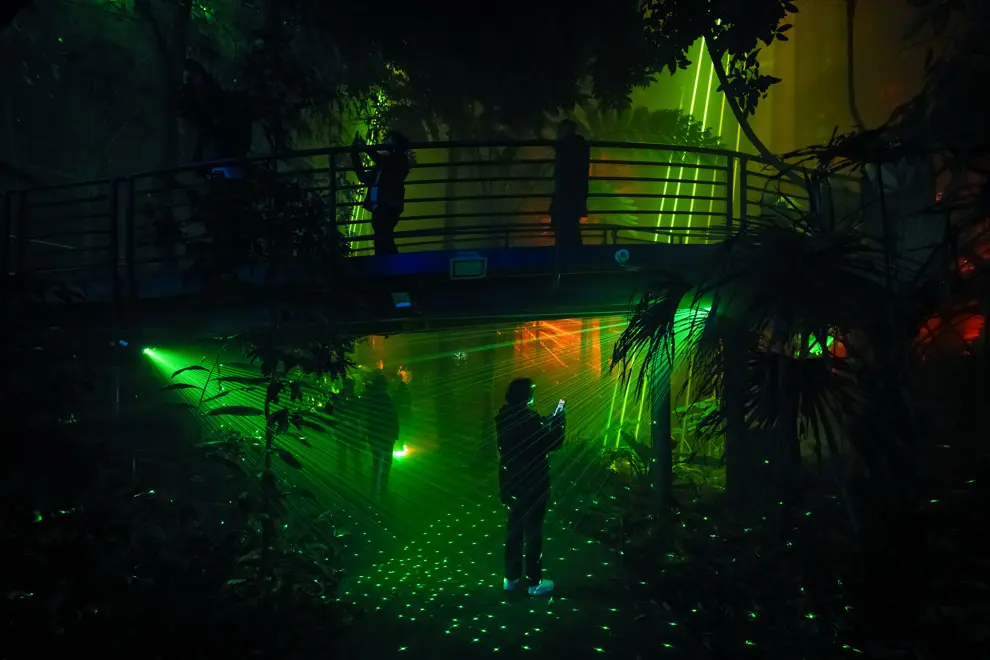
In Adelaide, the sun has started setting just after 5 pm. The sky is a uniform charcoal by 5:30, and lampposts are too few and far between to brighten our famously wide streets. It is easy to give in to the desire to hibernate, wait out the cold, and start living again when the sun comes out. But Illuminate Adelaide knows that that is no way to lead a life; a city shouldn’t shut down just because it is winter.
The first Illuminate Adelaide - the winter festival that aims to celebrate, and promote, “art, light, music, and technology” - was held in 2021. Since then, the organisation behind it (headed by Co-Founders and Creative Directors Rachael Azzopardi and Lee Cumberlidge) have made a valiant effort to light Adelaide up when it’s cold, and give people a reason to resist the hibernation temptation.
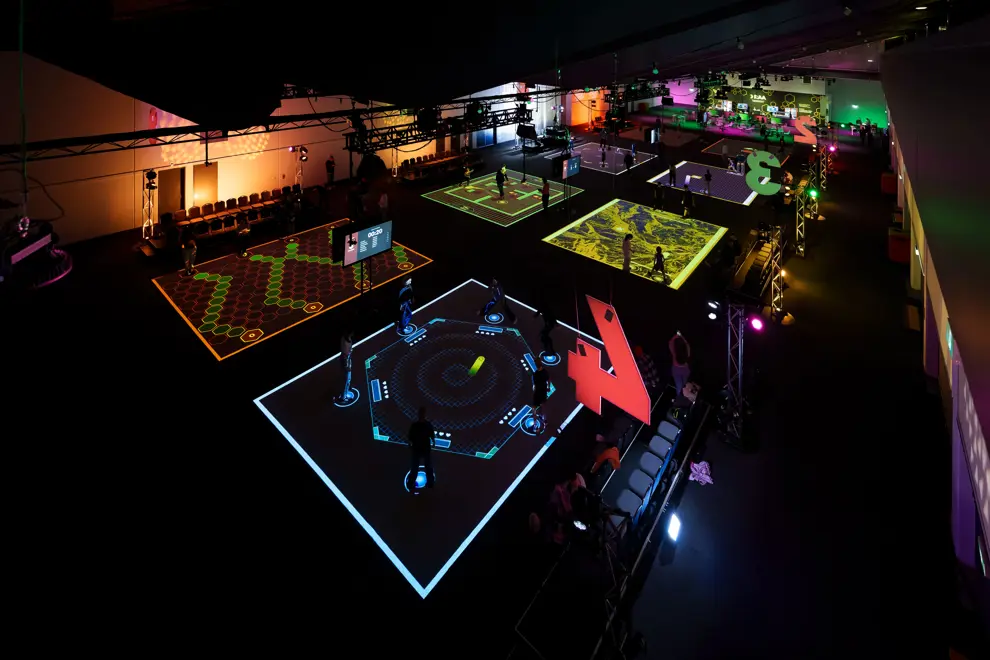
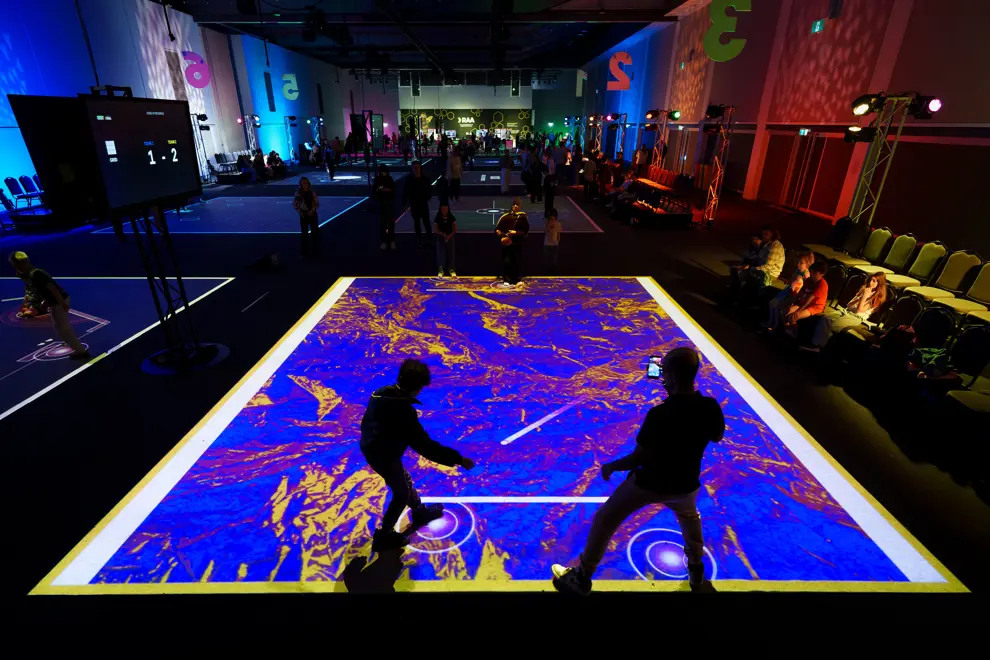
The festival begins on July 1st. For me, it begins at the Adelaide Showground amidst multi-media entertainment studio Moment Factory’s interactive arena, Augmented Games. Augmented Games boasts “a new form of interactive play where real-world movement meets digital gaming calls.” Crucially, there are no phones and no headsets. It is all about real-world interaction.
And it is truly a joy to see toddlers wheeling around in dizzy circles (no iPads in sight), unsteady on their feet, and not really following any of the rules, but enthusiastic about the neon hues which surround them nonetheless. Grandparents play with their parents, parents play with their children, siblings lead each other to victory.
Though the arena offers up eight different types of games, all prioritising different skills, it is my personal opinion that you really can’t beat the heady simplicity of the Polygon, a game which hearkens back to one of the first computer games ever created, Pong. It accelerates the heartbeat, uses more muscle than you might initially assume, and instills one with a - let’s say healthy - competitive spirit.
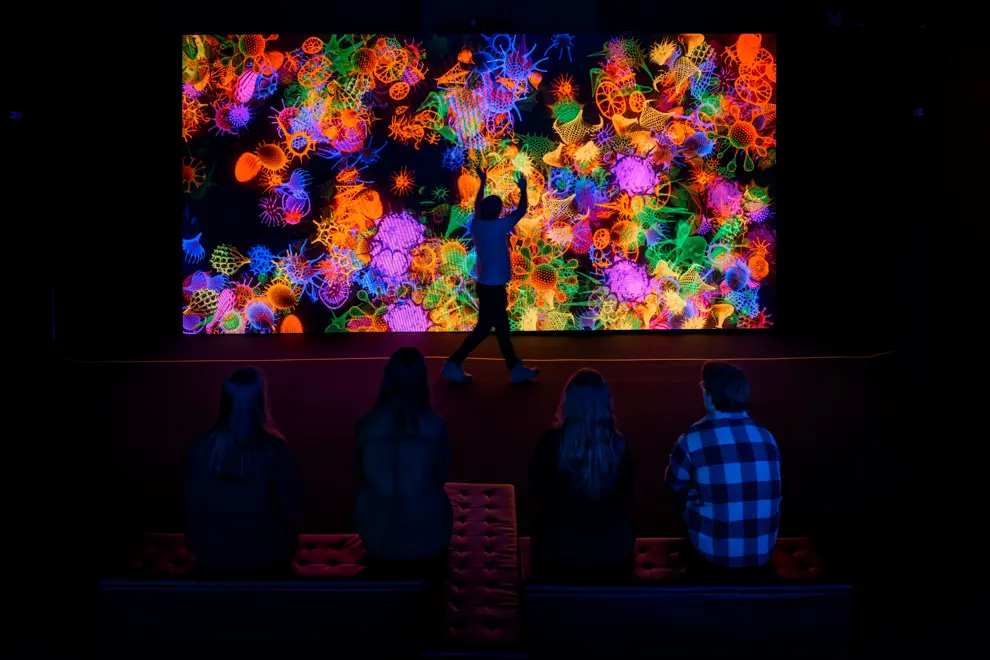
Illuminate continues for me with one of the festival’s most highly anticipated events: celebrated French digital artist Miguel Chevalier’s Digital Abyss, exhibited at ILA (colloquially known as The Lab). The project, inspired by the deep ocean, presents a virtual underwater meadow of imagined (note: AI-generated) flora, soundtracked with music by Jacopo Baboni Schilingi.
On that note, I feel the need to be up front about my staunch status as a luddite when it comes to the overwhelming deluge of Artificial Intelligence, particularly in the world of art. For me, art is all about the process itself. But AI shortcuts the process, which neuters the art itself.
Miguel Chevalier has always been at the forefront of encouraging the intersection between art and technology - and his work has long been noteworthy - but this level of intersection between art and AI is at odds with the very thesis of Digital Abyss: representing a natural world that is fragile, and perhaps won’t be around for that much longer. It certainly won’t be if people keep utilising generative AI in the name of “art.”
Computer-generated drawings of coldly fluorescent plankton are hung upon the walls, with Chevalier’s signature crowded into the corner of the canvass - it begs the question, why did Chevalier sign off on these drawings if the computer was the artist? Almost every piece of work exhibited in Digital Abyss was created using textual prompts and scientific references, something which largely renders the artist himself unnecessary.
I wonder, how much was Chevalier paid to type a prompt into a computer? I know several artists, who sweat and bleed over projects and never earn a cent - South Australian artists who deserve recognition. Many of them could have been commissioned and compensated by Illuminate Adelaide instead.
That being said, good art abounds throughout the Illuminate Season. Skeletal bird puppets walk the streets at night; blue light and fake snow shower the streets, creative installations line North Terrace, much to the awe of children bundled in scarves and mittens. And the artistic originality continues into the beloved Adelaide Botanic Garden, with Night Visions, which transforms a walk through the shrubbery into an imaginative odyssey.
The most impressive installations within Night Visions are the ones that make use of, and play with, the natural surroundings, something that the first projection installation, Monuments by artist Craig Walsh, manages to do in abundance.
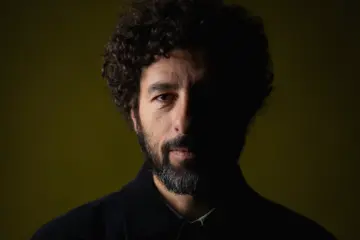
Monuments sees trees transformed into people; the blinking faces of five First Nations individuals (Muriel O’Loughlin, Professor Simone Ulalka Tur, Frank Lampard, Thomas Readett, and Mia Harradine), are projected onto the majestic Moreton Bay Figs, creating an illusion of the man-made world and the natural world, for once, in perfect harmony. From some angles, the faces are sharp; from certain corners, they fall apart, dissolve into shadow. The visions are soundtracked by proud Pitjantjatjara Yankunytjatjara man PAYDAE’s ethereal compositions.
Then, Jayden Sutherland’s Urban Echoes sees bold patterns of light merge and change texture amidst dramatic scoring; the garden floor is scattered with smoky blue and purple. Chris Petridis’s Fracture casts fragmented light across Ficus Avenue. Beams bounce off of mirrors and tree branches, creating a ghostly tunnel of cloudy white light that has garden-goers a-gasp. Robin Fox’s Canopy turns the Bicentennial Conservatory into a wonderland of glowing scenery that makes my stomach jump.
And, as one leaves the Conservatory, Chris Petridis’s First Light sets the trees a blaze, mimicking the rosy glow of a sunrise. The journey concludes with Amelia Kominsky’s Phantasma, which saturates every plant with colour. When you exit the Gardens, you realise that you’ve managed a brisk evening walk, without evening feeling the cold or the steps.
Later in the week, The Lost Art of Listening brings me out to Port Adelaide, to the heritage-listed Waterside Workers Hall on Nile Street. The piece was initially inspired by Anna Goldsworthy’s article of the same name, and began by undertaking research into the history of the roles of sound and music in society. The project was created and composed by local legend Hilary Kleinig, featuring Erik Griswolf on piano, with an app developed by Steve Berrick.
The execution of the performance seems to require a lot of acute organisation. Attendees are invited to download the ‘Listen’ app, designed by Berrick, onto their phones, and then are given paper phone-containers and assigned to specific seating, in concentric circles around a grand piano.
It is chilly in the Workers Hall, and the dim lighting makes every concertgoer resemble the subjects of old sepia photographs. But the work performed is explicitly modern. During The Lost Art of Listening, the phones are inextricably part of the performance, but we as audience members are no longer beholden to them. It is what Kleinig calls a “smartphone choir.”
As Griswolf expertly tinkles the keys, and plucks the piano strings (and even drops ping-pong balls upon them), all the phones make music in tandem, with sounds gathered from Kleinig’s own field recordings - of traffic from Delhi, children playing in a playground in Poland, a babbling brook from Mexico, as well as sounds recorded during family road trips around Australia. In doing so, Kleinig allows even the most mundane noises to become music, and brings the audience together to meditate on sound, stillness, and interconnectedness.
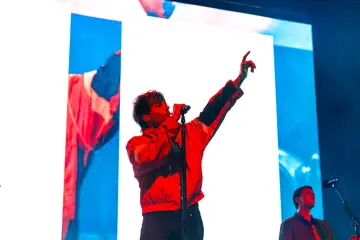
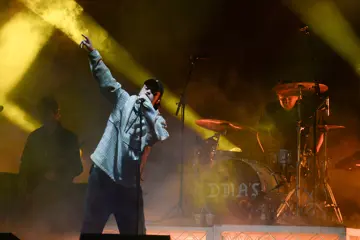
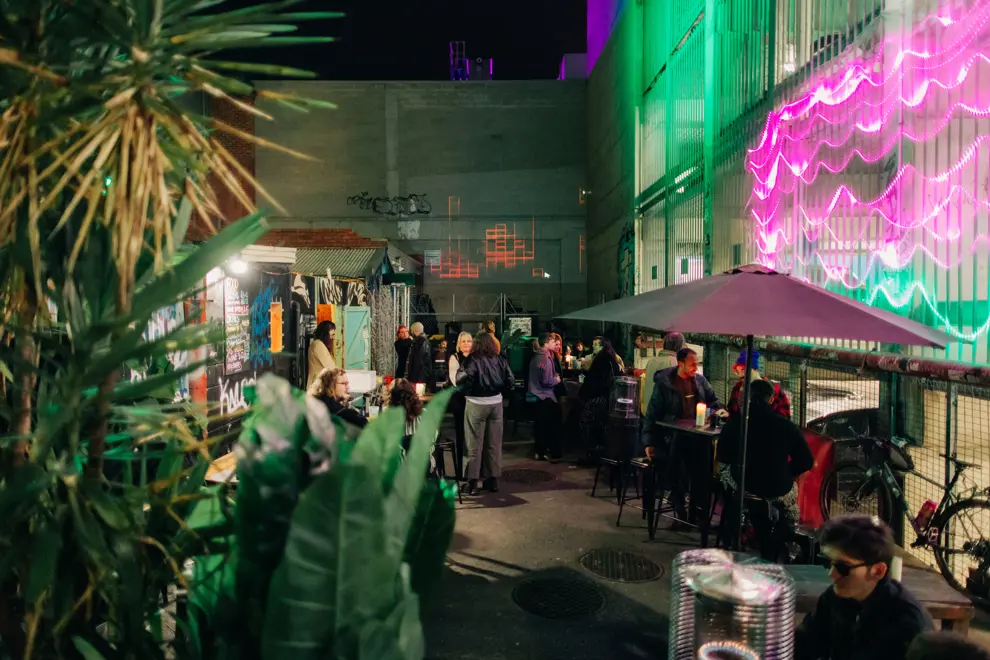
The packed week culminates in Unsound, the two-day experimental music festival which is, many would agree, the jewel in Illuminate’s fluorescent crown (and also the event where I personally happen to run into every ex under the sun, largely because it is where all of Adelaide’s smoke-stained alt scene tends to congregate every year).
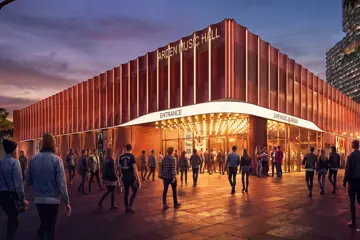
And it is something to be proud of. Night One kicks off at the Lion Arts Factory, and the festivities continue on the second night at Hindley Street Music Hall. And for those who are brave and never tire, afterwards, Ancient World - that dingy but hallowed little club behind a dumpster - awaits.
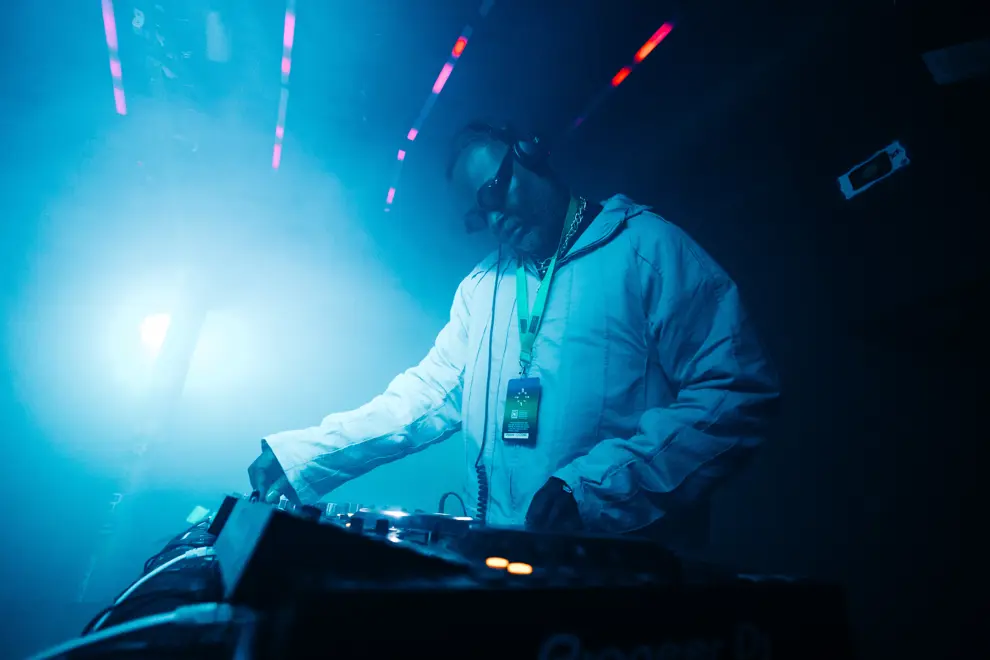
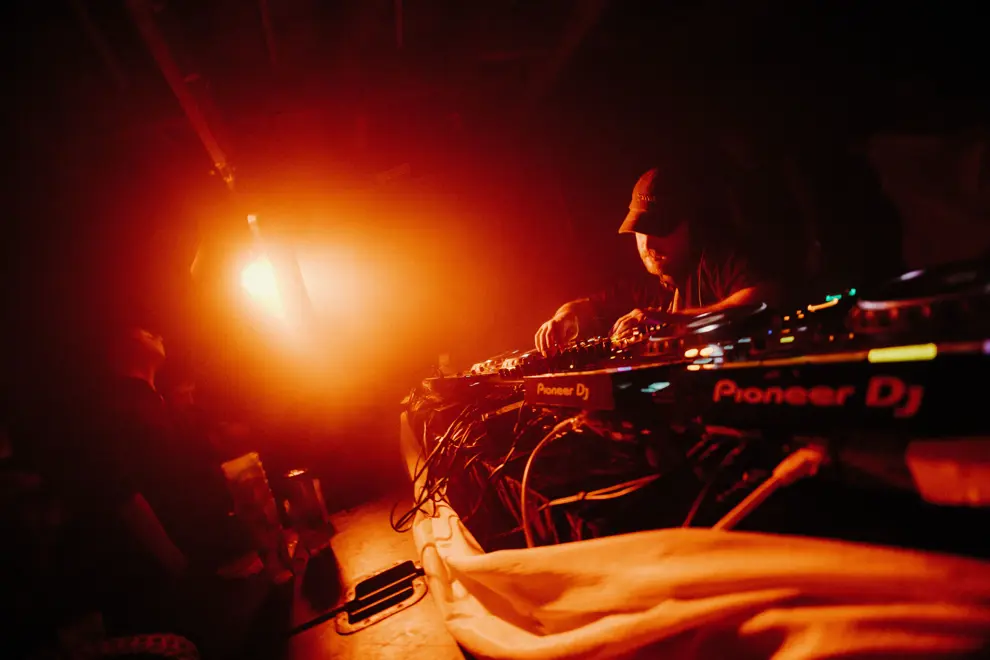
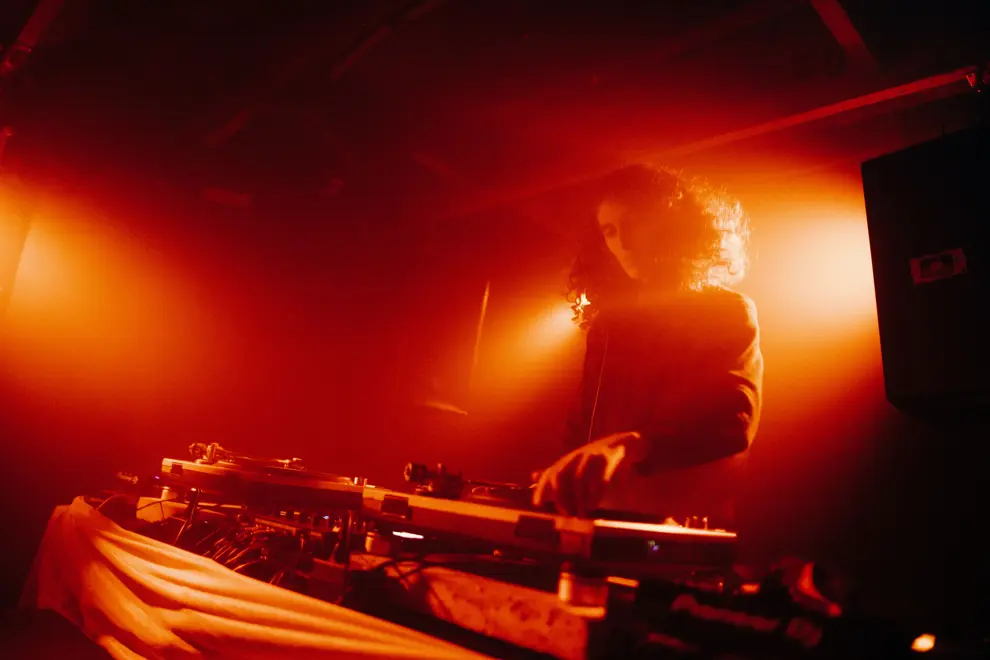
It’s a stacked line-up, a line-up which cements the Adelaide iteration of Unsound as a monumental cultural institution. New York-based rapper billy woods is - according to the conversations in the various smoking sections - the most anticipated performer. But there is also Grammy Award-nominated synth pioneer Suzanne Ciani - who just happened to design the Coca Cola hiss - reaching over decks with her sleeves trimmed in lace and creating a sonic universe that feels like it exists beneath the ocean.
There is Columbian musician Lucrecia Dalt, holding court with her mesmerising voice and commanding presence. There is FUJI||||||||||TA & Ka Bird, creating electronic chaos, and there is also Polish composer Hania Rani, presenting a thrilling storm of hypnotic synth patterns. (It is a genuine delight to have such a diverse array of artists on a lineup not only in Australia, but not in Adelaide of all places.)
But, for me, the standout of the two nights is New York duo Leya, composed of harpist Marilu Donovan and violinist/vocalist Adam Markiewicz. As much as this adjective is probably thrown around too much in articles about Unsound, I will still use it here: Leya is otherworldly. Their sound teeters between causing comfort and causing disquiet, between haunting distance and wrenching closeness. I had never heard of them before, but I ran to the merch booth to buy a CD as soon as the set was over, which is kind of what Unsound is all about.