It's been a big week for Brexit and musicians with the effects of the UK's decision to leave the EU beginning to be felt by the music community.
Here's what you need to know about this week's negotiations.
Wait, before we start I'm still not 100% sure on what Brexit is?
Yeah fair call, it's pretty confusing. In short, the UK took a vote in 2016 and decided they wanted to leave the European Union, which affects everything from trade deals to travel visas.
So why is this a big deal for musicians?
With free movement between the UK and the rest of Europe now restricted, it means that artists will have to fork out for additional visas and permits to tour between countries. It also means that there are extra costs and taxes involved for things like merch and touring equipment which falls under a carnet (find out more about that over here).
Okay, I've got it now. What's happened this week?
A story broke last weekend that the UK was believed to have rejected a proposal that would have allowed artists from both the UK and EU countries to tour across the continent without visas as part of the ongoing Brexit negotiations.
The plan had proposed 90 days of visa-free travel for artists but is now believed to have been declined by the UK in favour of their own "immigration crackdown" which is likely to place "tough restrictions on tours by EU musicians" which will in turn affect UK artists.
As per the Independent, "From this month, they must, like non-EU artists, apply for visas – to visit for more than 30 days – as well as providing proof of savings and a sponsorship certificate from an event organiser".
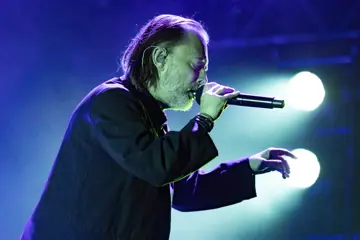
Radiohead's Thom Yorke also blasted the decision, calling the UK government "spineless fucks" in a post to Twitter.
What happened next?
Well, things got interesting here. On Wednesday, the BBC reported that a UK government spokesperson told them that the initial reports were "incorrect and misleading speculation from anonymous EU sources".
“It is not true we turned down a bespoke arrangement from the EU to allow musicians to work and perform in member states,” the statement read. “The UK Government has and always will support ambitious arrangements for performers and artists to be able to work and tour across Europe. As suggested by the creative arts sector, the UK proposed to capture the work done by musicians, artists and entertainers, and their accompanying staff, through the list of permitted activities for short-term business visitors."
"This would have allowed musicians and support staff to travel and perform in the UK and the EU more easily, without needing work permits. Unfortunately the EU repeatedly refused the proposals we made on behalf of the UK’s creative arts sector. We are clear that our door remains open should the EU change its mind. We will endeavour to make it as straightforward as possible for UK artists to travel and work in the EU.”
What now?
Well, earlier in the week the UK claimed that it was Brussels that had been blocking the visa-free touring plan and not them but according to a BBC report today, Brussels officials are insisting that's not the case.
"I very much regretted that the British didn't have more ambition for people's mobility," said EU Brexit negotiator Michel Barnier on Thursday. "From last March, we made fairly ambitious proposals in terms of mobility, including for specific categories such as journalists, performers, musicians and others," he said. "But you need to be two to make a deal."
It seems that the UK and EU aren't quite on the same page with this though, with the UK's Culture Secretary Oliver Dowden even going as far to saying that the EU is "letting down music on both sides of the Channel - not us".
The Musicians' Union is calling for more from Prime Minister Boris Johnson saying, "Our industry has been incredibly badly hit by the COVID-19 crisis and if our members are also restricted by additional costs and red tape on touring once things start to go back to normal, we will see a real downturn in what is a unique British success story: Music." In addition, they have also said that the reciprocal agreement would be "in the interests of the UK and EU".
It remains unclear how this move, as well as the wider Brexit negotiations, will affect Australian touring artists. Read our breakdown on the possible outcomes here.