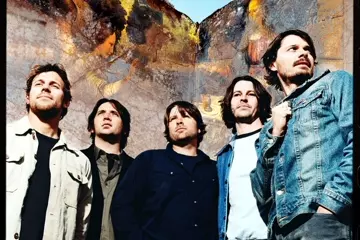
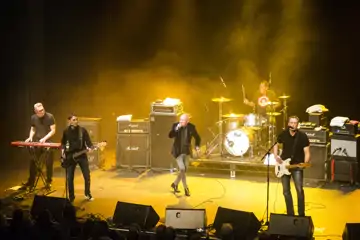
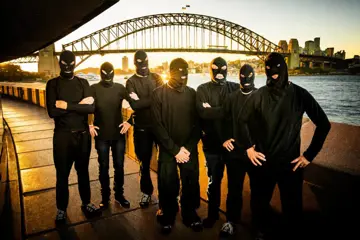
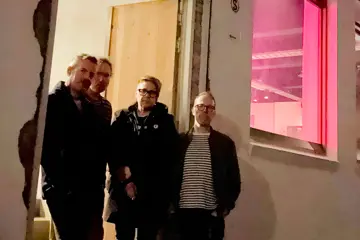
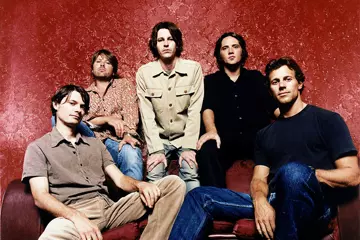
Into their third decade, Melbourne folk-punks Mutiny are still together slugging away. Applying a punk aesthetic to varied instruments, compositions and transitions that stepped outside the genre conventions, the band is still finding their shows met with the warmth and energy that accompanied their first gigs in the '90s.
“It seems to get better as we get older – playing songs that people know is fun,” guitarist Greg Stainsby stresses. “Mixing punk with folk back then, no one else was doing it as far as we know, so we were out on our own from the beginning. We were kids from the punk scene who started mucking around with medieval and Celtic riffs. With bands like [Dropkick] Murphys and Flogging Molly, they came along a lot later and worked really hard and got big, but also have that real Irish element that was separate to us too, something like a punk Pogues. We see ourselves more as punks with folk instruments than as anything else.”
Furthermore, the Melbourne scene Mutiny traversed from their inception in 1991 wasn't as interested in burgeoning punk acts as it had been in previous years. Nevertheless the idiosyncratic collective hasn't found it hard to fit in.
“Chris [Patches, vocals/drums] and I came from punk bands originally, and it was all pretty much political thrash within the scene,” Stainsby explains. “We were listening to a lot of English music that covered a number of genres, and were also busking a lot. Yet it still feels like we are in a thrash band. Styles and receptions haven't changed too much. The changes were more geographical – we started in Richmond so attached ourselves to the punk scene, then moved to Fitzroy and found ourselves in a growing whimsical pop scene, which was really cool, it was a nice type of music back then. Then we'd travel to Brisbane and there'd be the whole Triple Zed scene. There was no punk scene as such anymore, so the bills were very eclectic. It led to all these diverse musical communities that we'd find and connect with.”
Mutiny's songs often revolved around politically-charged lyrics with a heavy emphasis on Australian history. The genre landscape has shifted somewhat, but there are still positives to be found in being a punk in the 21st century.
“Punk was more of a lifestyle choice as opposed to an acceptable musical genre. It's definitely nice that punk's accepted; it's certainly not a bad thing to have music as entertainment. It was more 'us versus them' back then, when a lot of people were anarchists, therefore a lot of people were squatters, really living on the fringe, whereas now people aren't as 'out there'. It's a funny thing too because a lot of the punk crew from the '80s that started that whole dreadlocked traveller ideal, dressed up in GBH jackets who have gotten out of town to get off the drugs, are being labelled ferals by today's punks, yet they are one and the same. That said there are still lots of kids coming through that get the idea of punk, and because the genre is bigger than it ever was it gives them a bigger platform to work with, which can only be a good thing.”
The band has only played a few shows over the past few years, but Stainsby is adamant that Mutiny has a place on the live scene. “It's strange; we've found a lot more people are coming along, dancing and singing along, and we've really enjoyed it. I feel like we are getting better at these songs – I have been playing the same guitar parts for the past twenty years after all. I think we wrote some okay songs and we have an okay sound, and people who dug it fifteen years ago still like it, and young kids check it out and dig the vibes, so it feels right to pick up the pace.”