The NSW Government is bidding farewell to the last of Sydney’s lockout laws, today repealing the 3:30 am ‘last drinks’ rule, mandated use of plastic cups, the requirement for RSA marshals after midnight at specific venues, the blanket per-person drink limits, and the ban on promoting shots during late trade.
Following a downward trend in alcohol-related nighttime assaults, Liquor & Gaming NSW conducted a review and found that the remaining remnants of the lockout laws in the Sydney CBD and Kings Cross are “no longer fit for purpose.”
Instead, Liquor & Gaming NSW argues that safety can be maintained in the city through a “targeted, case-by-case approach” that ensures venues comply with existing RSA requirements, Plans of Management, and licence conditions.
The review determined that three measures from the lockout laws days should remain: violent incident registers, preserving crime scenes and banning Outlaw Motorcycle Gang colours or insignia.
Sydney CBD and Kings Cross were subject to lockout laws from 21 January 2014 in response to violent crime in the city at the time. The measures impacted all licensed venues in the designated areas, including the 1:30 am lockout provision that meant punters couldn’t enter late at night.
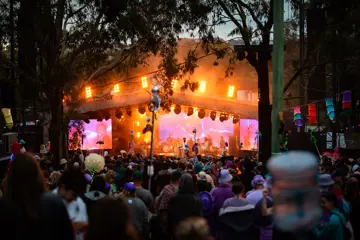
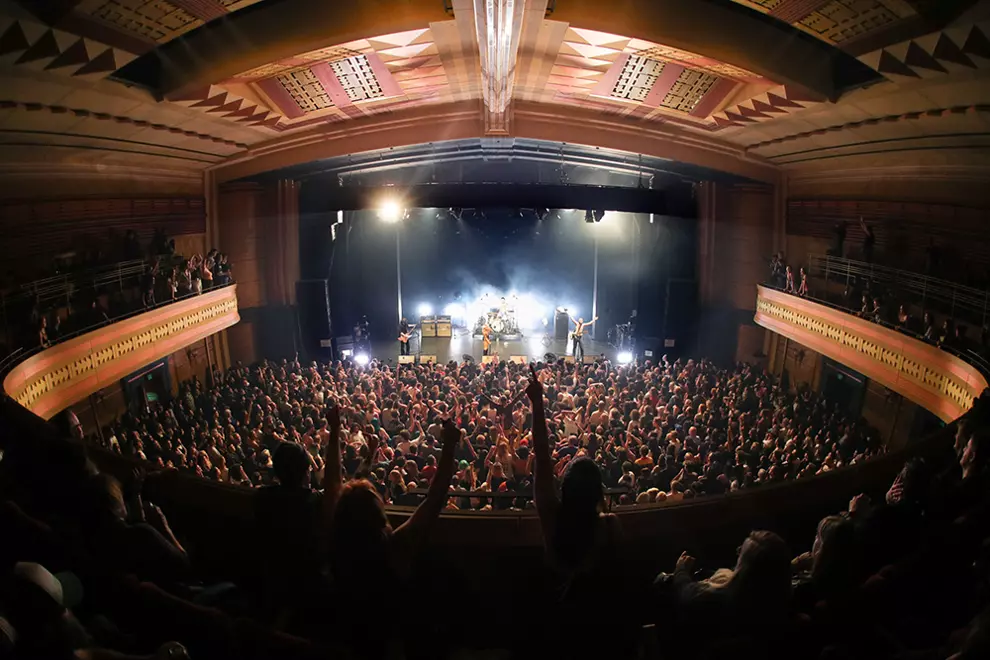
As we all know, the lockout laws had unintended consequences, damaging Sydney’s live music scene and its reputation as a global city. Half of the city’s music venues closed their doors for good in the following decade.
The 1:30 am lockout provision was lifted in January 2020 – just two months before the COVID-19 pandemic entered Australia. Subsequently, strict restrictions on music venue capacity were imposed, and the city didn’t see a comeback from COVID and lockout laws until 2023.
NSW’s Minister for Music and the Nighttime Economy, John Graham, commented that he’s “delighted” to close the chapter on Sydney’s lockout laws.
“Twelve years to the day since they were announced, we are now declaring the lockout laws have been completely abolished. I’m delighted to say goodbye to this chapter of Sydney’s nightlife story,” Graham said.
Graham continued, “The lockouts had good intentions but a diabolical impact on the night-time economy and the reputation of our city. These were the laws that saw Madonna and Justin Bieber not allowed into their own afterparties, and the decimation of the club scene that spawned Rufus Du Sol and Flight Facilities.
“Once we had a closer look at all the regulations restricting the NSW night-time economy, we realised the lockouts were just the tip of the iceberg. Since coming to office, we’ve been slashing the red tape that was pushing venues out of business and stopping grown adults having fun.
“We’re rebuilding the night-time economy neighbourhood-by-neighbourhood so that people right across NSW have exciting and diverse nightlife options closer to home.”
As the last of Sydney’s lockout laws are lifted, WA Premier Roger Cook is considering nightclub lockout laws for the state following an alleged one-punch attack that killed former Labor figure, Tim Picton.
The West Australian reports that Cook hinted that nothing was off the table regarding an overview of WA laws, including potential lockout regulations.
“We’ll get advice from the police as to what else we can do to keep people safe,” Cook said.
“When you have that cocktail of alcohol, of nighttime activity, and particularly in the wee hours of the morning, they can lead to dangerous situations.
“So, I think there’s more that we can do to look at the circumstances in which people disperse… to try to make that safer.”
Lockout laws were trialled in Perth for six months in 2009. They were considered again in 2016, in which former West Australian Music (WAM) CEO Mike Harris said, “Calling for lockouts is plucking the low-hanging fruit of social cures. We need to be asking why are there gangs of bored youth in Northbridge who are unlikely to be patrons of any of the establishments in that area.”
Harris added, “WA takes great pride in the successes of its artists. Take away their opportunities to develop as artists, and we won’t have the next generation of West Australian musicians on the global stage.”
The Music reached out to WAM for comment about the current considerations of lockout laws, but at the time of publication, hasn’t received a response.