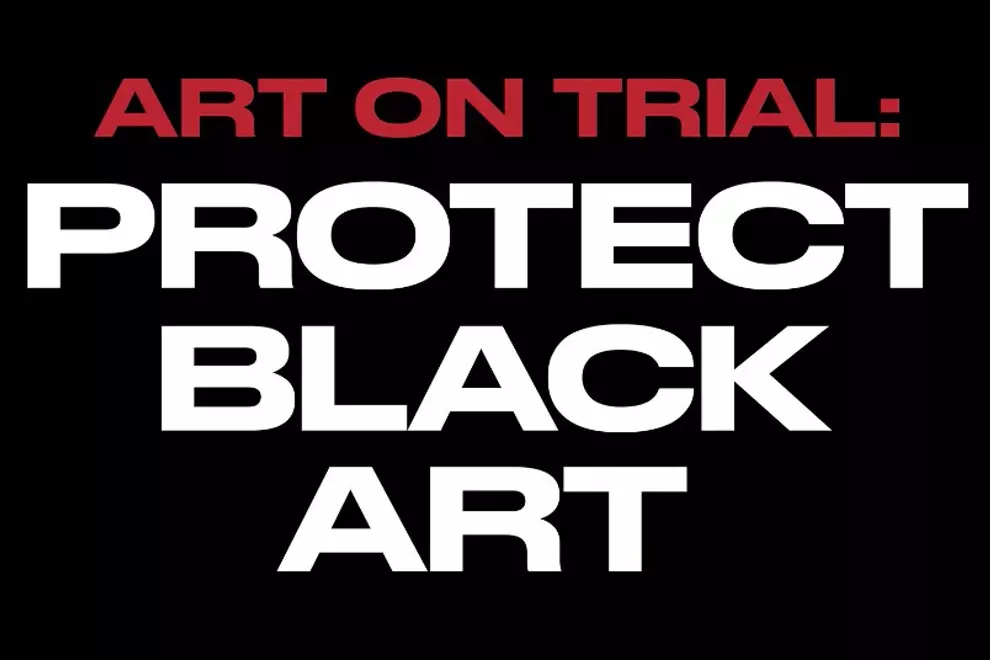
Warner Music has written and published the open letter, Art On Trial: Protect Black Art, after Jeffery Lamar Williams (AKA Young Thug) and other members of his Young Stoner Life record label were mentioned in an indictment for suspicion of gang involvement and other offences; Thug and fellow label mate Gunna's lyrics were accused of "an overt act in furtherance of this conspiracy."
Both artists have pled not guilty and remain in prison awaiting trial, with prosecutors arguing that they could engage in witness intimidation if out on bail.
Among the artists who have signed the open letter calling for restrictions on using rap lyrics as criminal evidence in US court are Megan Thee Stallion, Alicia Keys, John Legend, Post Malone, Coldplay, 50 Cent, Killer Mike, Mary J. Blige, Meet Me @ The Altar, Regina Spektor, and Willow. Sony and Universal have joined Warner as the major record labels backing the movement, with the companies Spotify, TikTok, and YouTube Music lending their signatory votes.
Art On Trial: Protect Black Art was published in the New York Times and the Atlanta Journal-Constitution and specifically calls for the end of the racially-targeted practice of treating rap lyrics as confessions.
"In courtrooms across America, the trend of prosecutors using artists' creative expression against them is happening with troubling frequency," the letter reads. "Rappers are storytellers, creating entire worlds populated with complex characters who can play both hero and villain. But more than any other art form, rap lyrics are essentially being used as confessions in an attempt to criminalise Black creativity and artistry."
Further in the letter, it says, "The use of lyrics against artists in this way is un-American and simply wrong," and cites the "obvious disregard" for freedom of speech.
According to experts who perused public records, over 500 cases have used rap music as evidence, and that's just the tip of the iceberg.
As reported by Variety, "For the most part, this does not account for indictment proceedings, juvenile cases, or cases that end in a plea bargain, and plea bargains are an overwhelming majority of outcomes in criminal prosecutions. Meanwhile, researchers have found only four instances since the 1950s of non-rap lyrics being submitted as evidence – three of those cases were thrown out, and the fourth was overturned after conviction."