After several years of (apparently) living underground, Whitley has returned to stages across the country, touring his new record, Even The Stars Are A Mess.
Post Paint kicked off the show with beautiful, complex folk rock. Their tracks are artful and intricate, but there is also a kind of heaviness here; there seems to be much going on beneath the surface. The delicate violin lines are carefully arranged to offset the gothic strains of Bligh Twyford-Moore's deep vocals. Cultural Capital, a track written about the band's formative years in the small-city music scene of Newcastle, does this perfectly – fusing the light and heat of Ailsa Fulcher's violin with the poignancy of Twyford-Moore's vocals. The band's sound seems mature beyond their years; there is little clumsiness, little angst. Instead, there is a focus on making music that is art: it seeks out light within darkness.
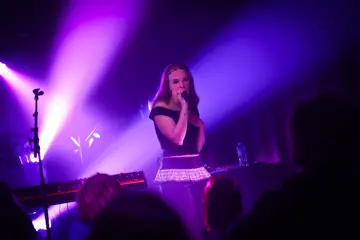
There's a kind of really vibrant roots/blues mood present in Esther Holt's tracks. With strong percussive elements and careful touches of banjo, Holt's music is gorgeous; it is furnished with her impossibly delicate, deep vocals. Her track Rock Me Through The Night was particularly remarkable; intricate, delicate, with dark, gothic elements.
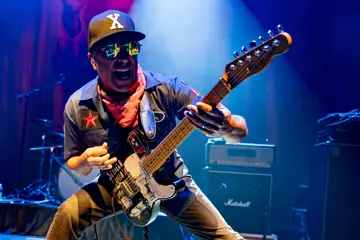
Whitley took to the stage under dim lighting; without fanfare, without ado, he launched into one of the distinctive, delicate tracks off his latest album, Even The Stars Are A Mess. This album is Whitley's first offering since he went underground several years ago, but there seems to be a consistent thread running from his newest and oldest work. Whitley tenses out the space between each musical line; each track seems eloquent, intricate, painstaking. He also managed to reverse the balance of power, by heckling the fuck out of his audience – his onstage banter was pretty centred around making fun of people talking loudly during songs. Tracks like My Heart is Not A Machine and More Than Life earned rapturous responses from the crowd; in classic Whitley tradition, these songs make an art out of misery. They have a kind of thriving, melancholic emotionality; it is this distinctive trait that links Whitley's pre-underground days with his latest work.