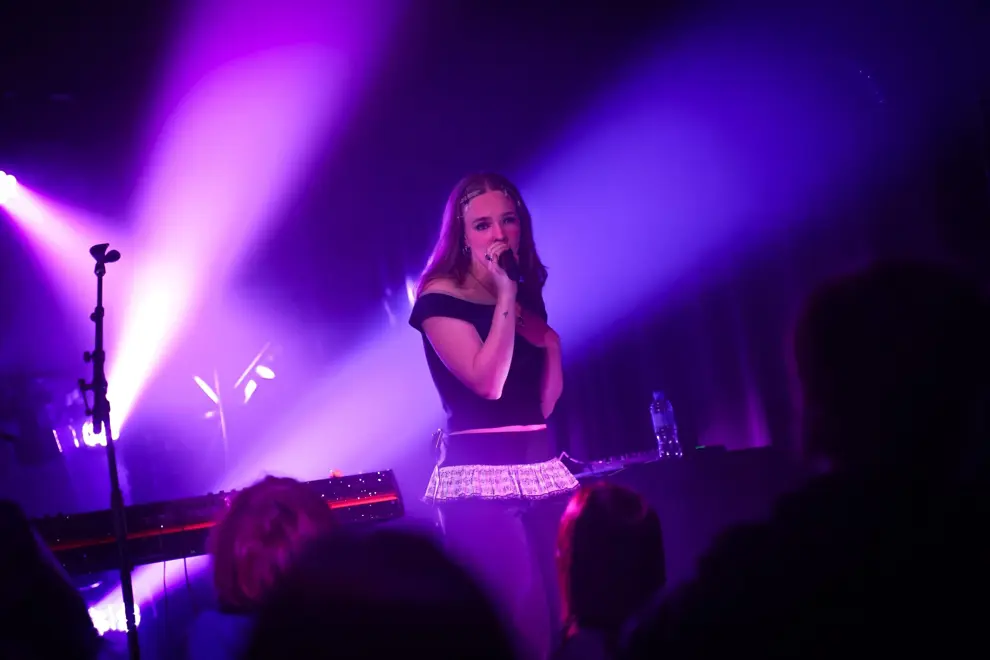
 Jewel Owusu Profile
Almost every artist in the world of music has the same dream, and that dream usually involves ensuring their creative efforts get shared with as many people as possible.
Often, it's a difficult road to get there – one paved with many rejections, hard-won victories, countless ups and downs, and numerous roadblocks.
Those roadblocks often include myriad aspects, including costs relating to venues, production, and touring, and can often be a huge step that an artist needs to overcome in order to achieve the next step in their career.
But what if it didn't need to be that way? What if there was an opportunity for these artists to have a helping hand which provides a leg-up that gives them a crucial boost?
That's where Live Nation's Next On initiative comes into play.
Recognising that it's often for an artist to take the next step, and that a strong live music ecosystem is dependant on access to stages, audiences, and sustainable opportunities, Next On seeks to reduce many of the aforementioned barriers, offering artists to famed venues, while providing production and marketing support without the standard upfront costs.
Not only that, by Next On artists also find themselves retaining 100% of the ticketing and merch revenue, offering a massive helping hand in their musical careers.
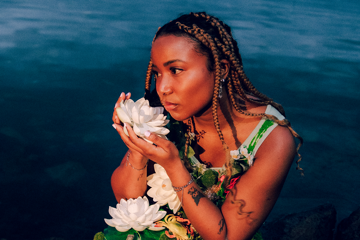
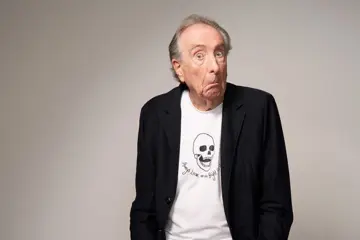
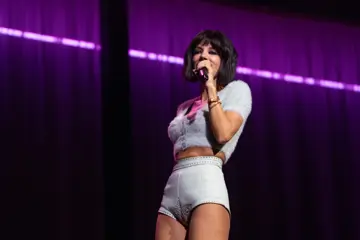
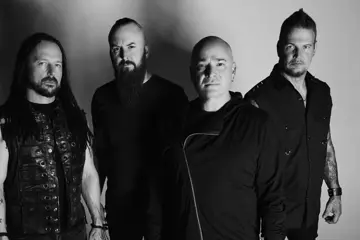
This year, we've seen acts like Holly Hebe, MOHI, Jewel Owusu, MACEY, Peach Fuzz, Them & I, and Robbie Mortimer take to iconic stages across Australia and New Zealand, offering dedicated fans a chance to see what they can do when those barriers are lifted.
With this year's edition of Next On having recently wrapped, The Music spoke to Emily Taylor, Live Nation's Promoter Operations Manager and Next On Booker, to discuss how it all came to be, what it aims to achieve, and how other artists can get involved going forward.
The Music: To kick things off, what is Next On? How did it launch? What's the goal?
Emily Taylor: Next On was created to meaningfully support developing artists across Australia and New Zealand. The catch-22 of live touring is needing to play shows to grow your career, income and audience, but the costs of venue, production and touring get in the way before you have the funds to cover them.
Through Next On, artists can perform ticketed headline shows in our venues, where we waive all standard costs, as well as providing marketing services, publicity support, professional photography, and live content. These artists then get to retain 100% of their ticket and merch revenue, which makes all the difference at this level.
The goal is very simply to help more developing artists build live experience, reach new audiences, keep building momentum, and hopefully leave with some extra cash in their pocket to put toward their next project.
TM: Next On describes itself as "Removing barriers for developing artists." What are some of the big barriers it hopes to remove?
ET: The biggest barrier is financial risk.
A good example is an artist who's consistently selling around 150 tickets in their hometown. The natural next step is taking those shows to new cities and seeing if they can build an audience there too. The problem is that's usually when the costs really start kicking in.
Flights, accommodation and touring expenses add up quickly, and that's before you've even thought about taking time off work.
We hope that by removing the standard venue costs, artists can take that next step with a little more confidence and a little less financial pressure.
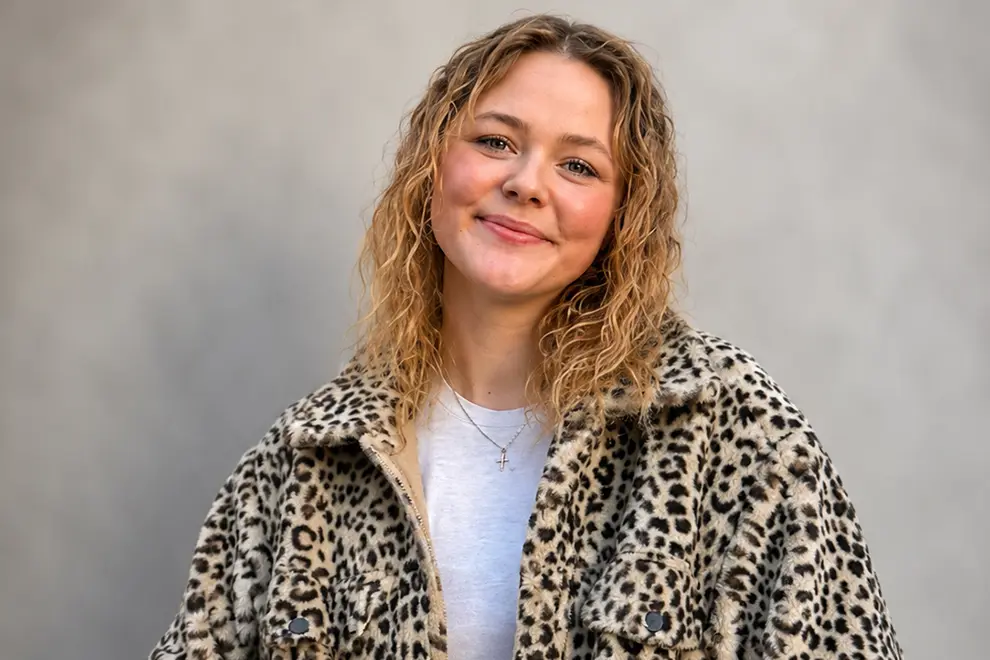
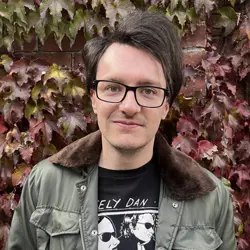
Live Nation’s Emily Taylor (Credit: Supplied)
TM: How does Live Nation and Next On make the process streamlined for these artists?
ET: Anyone can apply, but it's important to note that this isn't a showcase opportunity like Ones To Watch.
The artists we partner with for Next On have already built an audience and are ready to take the next step—we're simply helping remove some of the barriers that come with putting on a headline show. Sadly, we can't create an audience for you (believe me... if we could, we would!).
Once we've established if the program is the right fit, we work with the artist just as we would on any Live Nation tour. We outline the inclusions upfront, start talking about ideal event dates and on-sale timelines. Artists should feel like the program is the right fit with where they’re currently at in terms of touring and release plans.
I really like that Next On gives developing artists an early experience of what working with a promoter can be like. It hopefully takes a bit of the mystery out of that process – it’s essentially a test drive to see if it’s something they will want to explore later in their career.
TM: Ideally, Next On aims to be an event in which fans look back on and say "I was there before they blew up," but what defines 'success' in terms of what Next On hopes to achieve?
ET: I absolutely love the idea that one day fans will be able to say, "I saw them through Next On before they blew up." That's really special.
For me, though, “success” is much simpler than that. If the program has been a success for the artist, then it's been a success for us.
Did we help make that next step a little easier? Did the costs covered improve the bottom line? Did the marketing and publicity help to reach new audiences? If the answer's yes, then we've done what we set out to do.
TM: Artists apply for Next On, but what is the selection process like? How are artists selected? What was the rate of applications like?
ET: We've been incredibly lucky to receive a huge number of applications, which has been really exciting.
The artists we select have established an initial audience and are ready to play their next ticketed show. Next On is designed to help remove some of the barriers that come with putting on this headline play, not to build an audience from scratch.
For a lot of artists, it's not a "no", it's just a "not yet". If the timing isn't quite right, we'll happily stay in touch and reconnect further down the track.
TM: We've seen the likes of MACEY and MOHI in NZ, alongside Peach Fuzz, Robbie Mortimer, Them & I, and Jewel Owusu in Australia. What has been the reaction from the artists involved so far? How have they felt about the chance to play these stages and have these opportunities?
ET: The feedback we’ve received has been really encouraging.
For a lot of artists, getting to play iconic venues like the Palais Theatre is a pretty special moment, particularly in their home city. They're the kinds of stages many artists grow up dreaming of playing, so it's been rewarding to play a small part in achieving those career milestones.
The marketing and publicity support has also been something artists have valued. We're lucky to have great relationships across the media, and it's been wonderful to see those outlets get behind Next On and help introduce these developing artists to new audiences.
TM: What has the reaction from fans been like?
ET: Fans have been great. Their support reflects the connection they've already built with the artists, but it's been lovely to help unlock another performance—or even a new city—for them to see an artist they love.
TM: What are the plans and/or hopes for the future of Next On? How can the program evolve?
ET: I think our biggest learning this year has been to hold the concept and processes lightly. If we're going to be genuinely artist-first, we need to follow the artists' lead.
We take feedback after every show and use it to keep improving the program, whether that's about the way we work, the venues we offer or even little things like giving artists an earlier indication of potential dates. Those small changes can make a big difference.
TM: For musicians intrigued by the program and eager to look closer for future editions, what do they need to know? What sort of artists is Next On suited for?
ET: Next On is open to artists of all genres across Australia and New Zealand. The main thing is that you're ready to play a show of this size and have a clear sense of how it fits with your releases and broader touring plans.
We want the program to work around what you're building, so the more context you can give us when applying, the better.
TM: Is there anything else you want to mention about the program?
ET: Personally, I've loved being involved. The team and I have discovered so many brilliant local artists through the program, which has been so exciting!
Everyone works on Next On alongside their day-to-day roles because we genuinely believe it's important to make this level of practical support and industry expertise available to our local and developing artists (not just the arena, international ones!).
I think we’re proud to be able to ‘give back’ and invest at the grassroots level of our industry in this way.
For more information about Next On, including details regarding future editions, be sure to visit Live Nation's website.