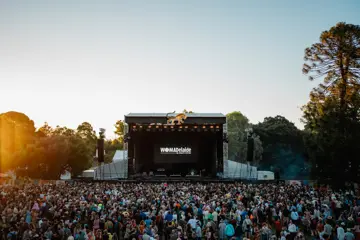
Believe, one of the world’s leading digital music and artist services companies, is in Brisbane for BIGSOUND this week.
While company figures are at the music industry conference and festival, Believe will host a major celebration party to commemorate ten years of achievements in Australia and 20 years globally.
For the celebration, the company has brought together industry figures, partners, and artists to reflect on the two milestones of digital music transformation. Continuously supporting independent artists across Australia, New Zealand, and worldwide, Believe isn’t content to look to the past or concentrate only on current trends; it’s focused on the next decade.
As part of the joint milestone celebrations, Romy Harber – the company’s Global Head of Artist & Label Strategy for b:electronic at Believe – is specifically visiting Australia for BIGSOUND and Believe’s party.
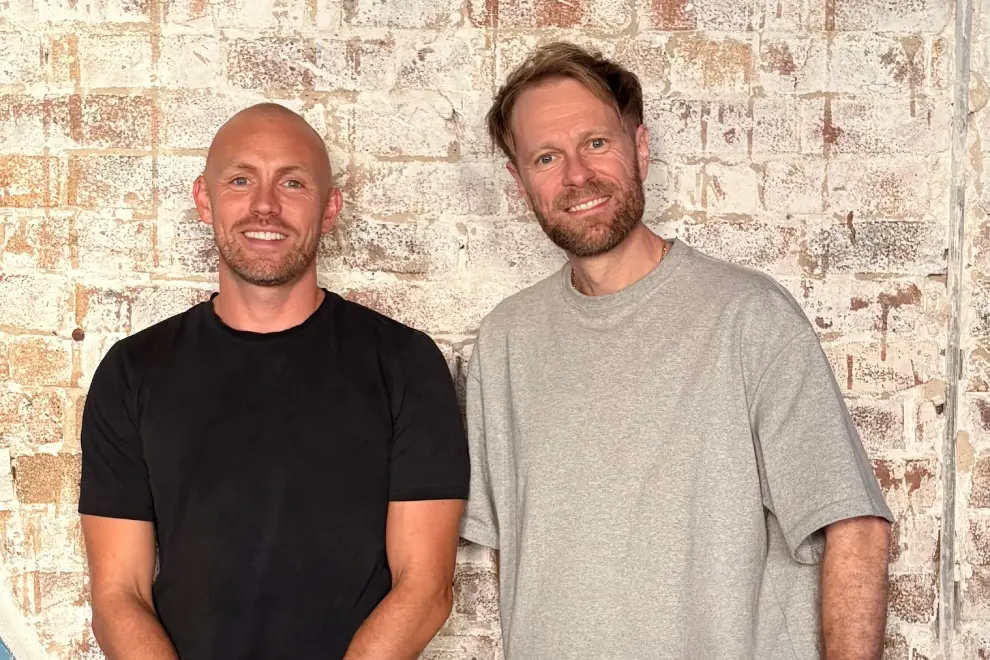
To celebrate the remarkable achievements of Believe, The Music caught up with Romy Harber and Mick Tarbuk, the company’s Country Manager, to chat about their milestones, the future of the music industry in Australia and New Zealand with the emergence of AI, and electronic music – particularly where Australia sits in the global scene. Check out the chat below.
The Music: Believe is celebrating two major milestones at BIGSOUND with the 10/20 Celebration Party – celebrating ten years locally and 20 years globally.
Looking back at the last decade in Australia/New Zealand, what are Believe ANZ’s proudest achievements, and how far up do you see Believe going?
Mick Tarbuk: When we launched Believe in Australia 10 years ago, our goal was simple: prove that an independent artist or local label didn’t need to sign away their rights or rely on traditional gatekeepers to build a sustainable, global career.
Over the past decade, we’ve championed incredible local talent, built a dedicated local team, and helped AUNZ artists achieve hundreds of millions of streams globally while staying 100% independent.
As for how much further up we can go? We’re just getting started. The local scene is producing world-class music, and as the global music landscape becomes more decentralised, Australia and New Zealand are better positioned than ever to export talent globally. Our next decade is about deepening that local support, scaling our artist services, and breaking even more AUNZ acts internationally.
Romy Harber: Believe has achieved a lot in 20 years – with a significant global footprint and amazing roster. However, we’re always developing our team, tech, and expertise – as it’s important we keep building on those successes.
b:electronic continues to expand into new markets with more coming in 2027. We’re building teams of dedicated electronic music experts in key markets, who are plugged in together and work cohesively globally. We believe that human expertise is crucial to building great artist careers, and that will continue – even as things change.
It’s an exciting time in the industry and for electronic music in particular – and we’re lucky to work with some of the most exciting labels in the world.
The Music: Romy, having helped grassroots scenes grow at places like Hospital Records, how does your role as Global Head of Artist & Label Strategy at Believe / b:electronic continue that vision?
Romy Harber: I want to harness the global reach and impact of Believe to benefit exciting labels – from big international labels to smaller, underground sounds. Dance music is truly international and travels exceptionally well – we provide the tools and teams to help artists and scenes develop globally.
I think as the industry changes, it's going to be ever more important to have a long-term strategy, goals, and plans in place to ensure your music stands out and connects with an audience.
I love the opportunity to work on music from across the spectrum – D&B, house, hard techno, UKG, amapiano, phonk – we're lucky to have a very diverse and interesting roster.
I hope from my experiences at Hospital Records, I can use that knowledge to help our labels overcome some of the challenges they face – as they are the ones building communities and culture.
The Music: How do you retain your passion for supporting independent music in the era of AI, and how is Believe navigating this shift to support creators locally and globally?
Mick Tarbuk: Locally in AUNZ, the rise of new technology just means we have to double down on human relationships. Tech handles the distribution scale, but our local team provides the strategic hands-on advice, the coffee meetings, and the long-term career planning.
The Music: In developing Believe’s electronic music division, b:electronic, what changes have you witnessed in electronic music—both across its diverse sub-genres and the live scene?
Romy Harber: I think the wide array of genres thriving in the scene now is great to see. The industry as a whole develops fast, and electronic music is often at the forefront of those changes.
As the pace of releases, touring, internet culture, etc., speeds up – I think it's ever more important to have long-term goals, strategies, and partnerships in place. We work with artists & labels on a long-term basis, making sure we build partnerships that think beyond the next few releases and into the future.
The live scene is facing a lot of challenges, especially smaller venues and declining bar sales. The smaller venues are crucial to developing new scenes and sounds – so it's important the industry works together to protect those cultural spaces.
However, it's also great to see so many artists selling significant tickets around the world – and electronic music taking an ever more prominent place at the world's biggest festivals.
The Music: What can the UK and Australia/New Zealand learn from each other in these electronic markets?
Romy Harber: Australia has always had a thriving electronic scene, and now some of the biggest artists in the world. The synergies between the two countries are significant.
What the UK can learn is the export mindset. Australian artists have never had a large neighbouring market to fall back on, so they think internationally from day one. The other lesson is policy – Sydney's lockout laws showed how quickly a city can impact its own nightlife, and the campaign to repeal them showed it can be rebuilt. The UK is losing grassroots venues at an alarming rate and we should be paying attention to that.
What Australia can learn from the UK is the depth of our underground infrastructure. Genres like drum and bass, garage, and jungle have decades of labels, radio, and clubs behind them, and that pipeline is what turns a scene into a career.
Mick Tarbuk: From our end in AUNZ, we look at the UK’s incredible ecosystem for sustaining niche electronic sub-genres. With Romy visiting for BIGSOUND, it’s about opening direct bridges between AUNZ acts and global electronic hubs, ensuring our local creators can tap into those international networks seamlessly.
Believe’s 10/20 Birthday Mixer takes over BIGSOUND today. Find out more on the BIGSOUND website.