There’s definitely something unique about music from Brisbane, when held up against the similar fare emanating from the other Aussie capitals. Not better, not worse, just different.
Back in the day our patron pop saints The Go-Betweens used to refer to it as That Striped Sunlight Sound, an aural attitude derived from enduring seemingly endless months of blue skies punctuated by the odd electrical storm, augmented by humidity and isolation.
There’s a freedom of expression and willingness to experiment in the Brisbane scene, with most making music for the love of art and because they’re drawn to it rather than any reasonable expectation of fame or fortune. It makes for both great music and a tangible sense of community, with bands across genres often sharing not just members and equipment but mindsets and worldviews as well.
But it hasn’t always been this way. For the longest time the Brisbane music scene operated under an enormous and stultifying shadow, one the shape of a portly peanut farmer from Kingaroy.
Under conservative Premier Joh Bjelke-Petersen, from 1968 to 1987, it didn’t really pay to stand out or even look different as Queensland effectively morphed into a police state, and this affected local musicians (as well as many minorities who were equally vilified) in a myriad of ways.
Potential venues didn’t want to rile the cops and bring attention to themselves by housing rock’n’roll, hence tales abounding of ‘70s Bris-bands like The Go-Betweens and our punk overlords The Saints hiring out local halls to put on their own DIY gigs (many of which were busted up by the boys in blue anyway).
Just looking like a rocker in public could be enough to get you picked up by the police, whose resolution to keep Brisbane boring could manifest in a beating, being locked up or in extreme cases finding oneself unceremoniously dumped over the NSW border.
Faced with this lack of accountability you can’t really blame the tide of great Brisbane musicians who fled south for safe haven during this oppressive regime. Great music flourished – as always – but rather than be trodden underfoot many musicians left for cities where their art wasn’t just tolerated, but appreciated as well.
The Saints and The Go-Betweens both set their sights abroad and were soon enough based overseas, but that’s just the tip of the iceberg. Aspiring musicians like Brad Shepherd and Tex Perkins abandoned ship and were quickly making massive inroads in calmer waters with Hoodoo Gurus and the Beasts Of Bourbon/The Cruel Sea respectively.
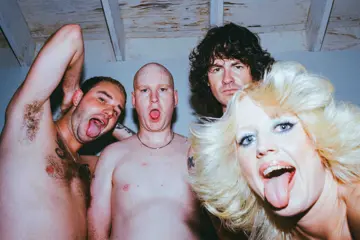
It should be noted that one thing that does flourish under an oppressive regime is protest music, and Brisbane under Bjelke-Petersen soon possessed a large and proactive punk scene. The Parameters’ single Pig City gave Brisbane a new nickname, Razar provoked the authorities with Task Force, and a slew of bands like The Leftovers, Xero and Vampire Lovers all toughed it out and created their own DIY scene, rife with fanzines, guerrilla gigs, protests and poster art. This courage and interminable spirit flowed down the generations of local punk bands like Blowhard, Chopper Division, The Disables and Dick Nasty (to name but a few) and into the current crop like Fat, Flangipanis, Mouthguard and HITS.
Community radio station 4ZZZ was another stalwart during this period, providing a bastion of alternative music and culture and providing all-too-rare avenues for bands to play to like-minded people with their Joint Effort initiatives.
Yet for 20 years Queensland was considered by the rest of the country to be a cultural backwater, reliant on its climate for tourism and possessing a hankering for economic development in which art had no place. But then things began to change.
Bjelke-Petersen was forced to relinquish his reign in 1987 when ABC TV show Four Corners’ exposition The Moonlight State shone a light on rampant police corruption, and the end for the Nationals was nigh. In 1989 Labor finally swept them from power with a 24-seat swing, on the same day a fledgling festival called Livid – established earlier that year to shine a light fairly and squarely on local product – held its second Brisbane instalment, co-founder Peter Walsh taking the stage to a buoyant crowd upon arrival of the news to trumpet, “No more fascism!”
With that roadblock removed Brisbane was given a licence to flourish, and flourish it did. Post-Fitzgerald Inquiry the inner-city hub Fortitude Valley – once the domain of “illegal” brothels and casinos – became a wasteland of cheap rent, which for bands meant rehearsal space aplenty. With the addition of venues like The Zoo and the Roxy, the Valley began slowly morphing into the music mecca it is today (later protected by its Entertainment Precinct designation, the first such protection to live music offered in the country), and initiatives like Rock Against Work brought people to live music in droves.
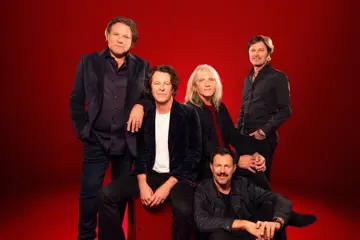
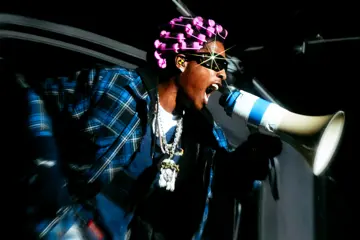
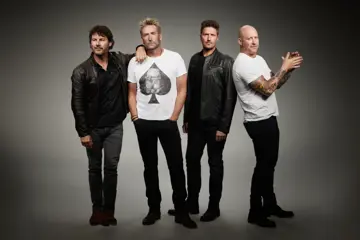
Soon enough Brisbane was producing some of the most beloved bands in Australia such as Powderfinger, Regurgitator, Custard and Screamfeeder, who were all happy to stay in their own hometown now that they were free to be themselves without consequence. Convergent factors were at play too such as Livid burgeoning into a massive concern, triple j going national and Nirvana’s success making underground music mainstream – which suited Brisbane’s then-current crop just fine – while in the pop realm Savage Garden was soon taking on the world from a different perspective, and dominating.
And so it continues to this day, Brisbane still home to some of Australia’s best and brightest talent and possessing an ever-growing support infrastructure of venues and shindigs like BIGSOUND that are rapidly becoming the envy of the nation.
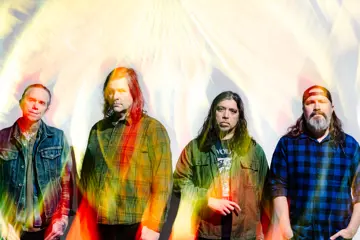
But it still all traces back to the time when Joh tried to defeat our indomitable artistic spirit. The Saints’ howl of sequestered frustration with (I’m) Stranded paved the way for Violent Soho’s unabashed Brisbane patriotism, while The Go-Betweens’ unquenchable artistic ambition is echoed today in the work of disparate artists from Ball Park Music to Blank Realm and everyone in between.
We’re so lucky on so many fronts, and that’s why That Striped Sunlight Sound lives on. In this brave new world there’s nothing holding Brisbane artists back except their imagination. The cultural cringe is dead and Brisbane finally believes in Brisbane, making for an incredibly exciting artistic future.