 Tasmanian Symphony Orchestra Profile
A simple yet elegant cross of white spots rigged high above the stage set the atmosphere for the performance of Eternal, a repertoire of five pieces united in theme by the composers who grew up in Soviet-dominated Eastern Europe, within a culture that preferred their commissioned composers to work on pieces with practical value such as marches, folk songs and patriotic cantatas. The pieces ranged in their adherence to these expectations, pushing boundaries into the avant-garde.
The first piece by Arvo Part, Spiegel Im Spiegel (Mirrors in the Mirror), showcased Tamara-Anna Cislowska on piano. The graceful piece was written to give the impression of a person reflecting by walking back and forth in front of a mirror, masterfully performed and a pleasant introduction to the repertoire to follow.
A hushed pause, then the lights of the Tasmanian Symphony Orchestra music stands glowed to life, as conductor Johannes Fritzsch took the reigns for Henryk Gorecki's Piano Concerto, a sound altogether darker and more contemporary.
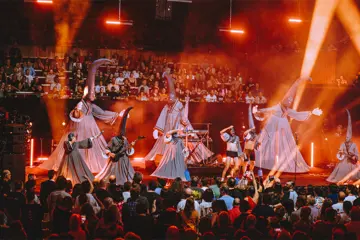
The evening then took a different turn again with the addition of the Tasmanian Symphony Orchestra Chorus, who filed in along the front of the stage like black-robed monks and returned to the work of composer Arvo Part for Berliner Messe. The cross above the stage dimmed with the tone of the piece, adding to the choral feel and lulling the audience until the final note when the lights were brought up to a full retina-searing crescendo with the music eliciting uncomfortable laughs from the audience.
A work by Peteris Vasks' Cantabile followed, building on the previous pieces' comparative simplicity; the orchestra now possessing the freedom to explore their own rhythm.
It was the last piece however that elevated the night to the sublime, Henryk Gorecki's Kleines Requiem For A Polka took the audience which had been receptive up to that point to a place rarely glimpsed, making for a truly exquisite conclusion to the night.