
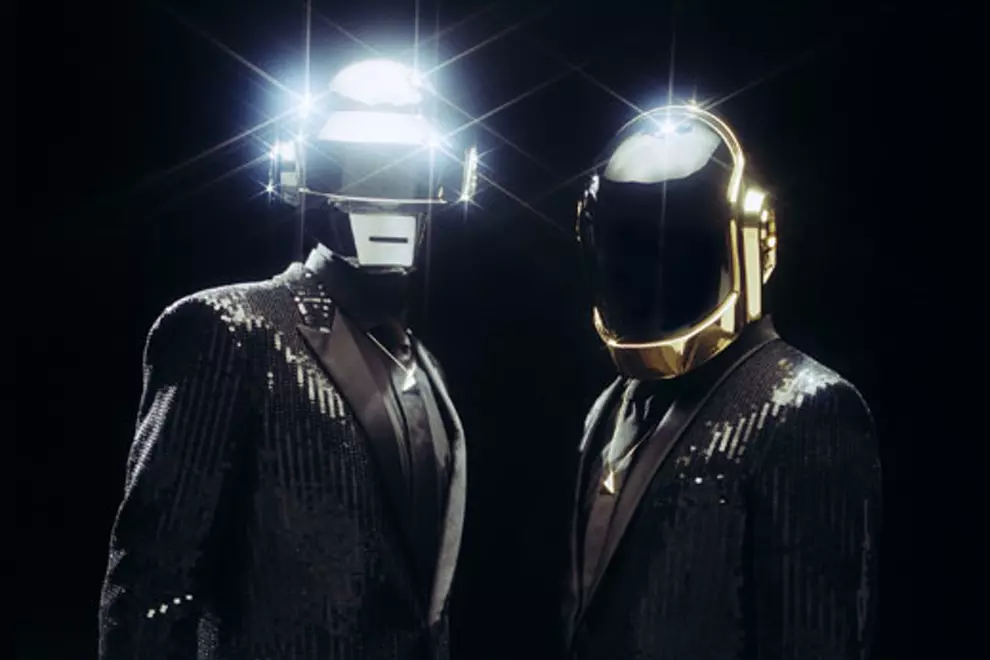
 Daft Punk Profile
A new report by Tracklib has revealed that Google's AI can detect a musical sample in under a second.
The tool has now been used to unearth samples used in tracks that were previously unknown.
A community of online music fans on Discord titled Sample Hunting has found previously undiscovered samples used by artists including Daft Punk, Mobb Deep and Oneohtrix Point Never.
The sample hunters have discovered samples in tracks including Hell On Earth by Mobb Deep, Green Power by Quasimoto, Nassau by Oneohtrix Point Never and Daft Punk's Face To Face.
Community member DJPasta told tracklib that, "Google Assistant can even detect samples less than a second long, and is usually able to detect samples that have been chopped or time-stretched."
"If the sample you are trying to find is part of a much longer drawn-out chord or texture, you can time-stretch or crossfade a loop to make the AI think it's longer. You can also repitch the sample to form a chord progression if you guess it correctly."
The major disovery made with the tool was by the founder of the Discord community whose name is Isobelia.
She said, "When Google Assistant helped me find 'South City Midnight Lady' by The Doobie Brothers as a guitar sample in 'Face To Face' in late 2021, I realized that this method could be huge," to Tracklib.
"Especially because, at that point, we didn't even know that sound was a separate sample. We actually thought it was part of another sampled record."
Read the full story on Tracklib.