The Australian live music sector is concerned – as are the events, tourism, hospitality, and farming sectors – about plans by the Federal Government to change the Working Holiday Makers (WHM) visa, which covers backpackers.
The Australian Tourism Industry Council has warned it could cost over 200,000 jobs and wipe $3 billion from visitor spending.
The number of working holiday visa holders in Australia was 225,648 in June 2026 – exceeding 210,971 in June 2025 and pre-COVID figures of around 100,000. They usually do fruit picking, farm work, mining, or tourism work in regional and remote areas.
Now a decision is expected to be made in weeks by the Federal Government to press pause on visitors from 24 partner countries whose applications have been filled, cut down their stays from a year to six months, stop them extending their stay, and introduce longer times to process visas.
It argues the moves are to “better control numbers and manage demand”.
Fears are that without backpackers to work regional music venues, they would have to cut back on opening hours or close down.
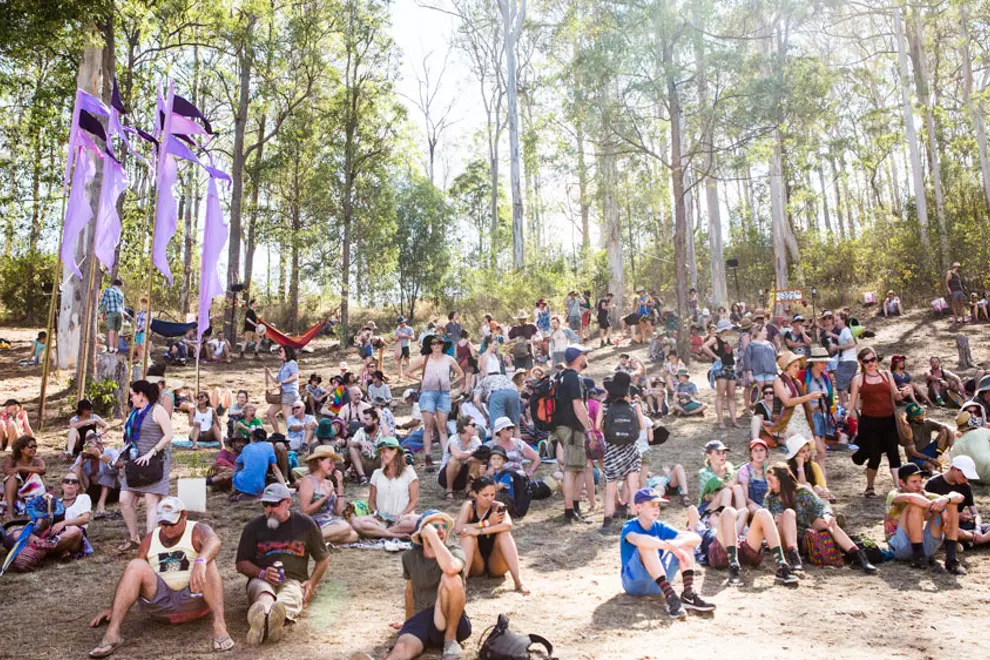
Many of the big ticket regional summer and autumn music festivals – past and present – like Woodford Folk, Bluesfest, Splendour In The Grass, Falls, and Cooly Rocks On utilise thousands of volunteers and backpackers to keep costs down and organise massive crowds.
Generally for about five hours of work a day, visa-holders get to see the acts and get reduced camping rates.
They help build the stages and fences, help the crews bump-in-and-bump out, work the gates and wristbands, serve at the bars and food stalls, do customer service, and handle waste management.
“There is no doubt that any reduction in the number of short term working holiday visas will be detrimental to the hospitality and live music sector,” Howard Adams, Chair of the Australian Live Music Business Council (ALMBC) tells The Music.
“This includes pubs, live music venues and festivals, and is particularly acute during the summer season and in the regions.”
For the Australian live music sector, struggling to fill jobs since the pandemic, they are a godsend. They’re young, keen to work and generally do the jobs few locals will, say venue operators.
One in Townsville, Queensland, for instance, reports it gets five resumés a day.
They do bar and door duties, scan IDs, step in for security and stagehands, and drive acts and crew from their motels to the venue.
Each year about 7,000 Working Holiday Maker visa-holders declare that the Northern Territory is their main place of employment. Up to 80% of Darwin bars and clubs hire them.
“Approximately 66% of people who work with us are international backpackers,” confirms Russell Temple, General Manager of popular Darwin live music venue and nightclub Mayberry, in the heart of the CBD in Edmunds Street.
Most of their roles in the venue are front-of-house. Of the nine people in Mayberry’s management and supervisor team, five are backpackers.
Temple calls WHM visa holders “vital to the hospitality industry in Australia” and regards any cutback moves as “just naïve and stupid!”
He goes on to point out, “The alcopop tax that changed young Australians from purchasing alcopop ready-to-drink products that were accurately measured in terms of alcohol content to purchasing bottles of straight spirits where the amount of alcohol in each drink is very inaccurately measured is an example of previous naïve and stupid legislation.
“I am a supporter of all governments in Australia, as I believe as a whole they are all giving best effort but their understanding of the ‘lifestyle’ of the normal person of all ages displays nativity of an extremely high level.”
One advantage to the Australian live music sector is the skills they bring, especially if they have worked in venues and festivals overseas.
For Temple, “They bring different cultures and opinions – the mixing of predominantly young people enjoying their ‘party years’ with different nationalities from around the world or from somewhere different is fantastic with lifelong connections and friendships made often.
“I and many others have learnt more about the world from operating music venues attended by an eclectic mix of nationalities including fellow Australians than any amount of education.”
Backpackers make up 16% of its regional Queensland work force of KPAT, a Queensland hospitality group with strong ties to live music.
Its Great Western Hotel in Hughenden partners with events like the Festival of Outback Skies. The Kawana Waters Hotel on the Sunshine Coast and Kings Beach Tavern put on bands throughout the weekends.
Its Managing Director, Kenneth Wagner, points out a wider issue: having the available staff is tied to performance and investment.
“Working Holiday Makers are an important part of that workforce mix,” he told the Townsville Bulletin.
“If those pathways are materially reduced, the impact will not just be felt in recruitment. It can affect how much capacity businesses can put into market, the standard of service they can provide and ultimately their confidence to invest and grow.”
He notes there was a discrepancy between a government urging private investors to boost tourism initiatives, and at the same time changing rules that would affect the workforce needed to operate them.
Spending
The contribution of Working Holiday Makers also extends beyond filling critical workforce needs.
Tourism Research Australia’s data shows international Working Holiday Makers spent approximately $1.1 billion in regional Australia in 2025, representing 20% of all international visitor spending in regional Australia.
They also spent $3.3 billion in Australia’s capital cities, accounting for 10% of international visitor expenditure in those destinations.
Backpackers express a strong interest in cultural experiences, such as attending live theatre/concerts at rates of 35.2%.
Major backpacker hostels have their own music venues. These include the Lansdowne in Sydney, Roamer Brisbane, Melbourne’s Hotel Barkly, Arts Factory By Nomads, Hoey Moey Backpackers in Coffs Harbour, The Elephant & The Wheelbarrow in Brisbane’s Fortitude Valley, The Jack and Gilligans in Cairns, and Pint on Punt in Melbourne.
At festivals, visa holders are utilised in a wide range of duties, including the setting up of stages, fences and marquees, crewing, helping at entry gates and wristbands, as well as in food and drink bars, ecological duties, and waste management.
Queensland’s Woodford Folk Festival works with about 2,500 volunteers to help host the 110,000 to 125,000 aggregate patrons who go through the gates of its Woodfordia site. This year it runs from December 27 to January 1.
Says Amanda Jackes, Managing Director and co-founder Woodfordia Ltd, which presents the festival, 3% of its volunteers hold WHM visas. They make up 5% to 10% of the event’s 450-strong ‘build’ volunteers.
Jackes states, “They are an important part of our community, and add to the diversity of the community. Some who come from working festivals overseas bring their skills.”
In a broader sense, the Australian Business Events Association (ABEA) has also called for a rethink on changes to the visa.
Its Chief Executive Melissa Brown points out, “We know many of our venue, supplier and organiser members rely on those with working holiday visas, especially for the delivery of large-scale events and experiences that Australia is known for.
“They provide an exceptional opportunity for cultural and work exchange and bolster our workforce when we need it most. We want to see more people available to work in Australia. Our industry demands it.”
Major event supplier Harry The Hirer estimates that last year, 23% of its 1,328 employees were under WHM visas.
According to Chief Executive Gab Robinson: “We typically employ 300-400 working holiday travellers across our peak periods. These are hardworking people who want to work, travel and contribute while they are in Australia.”
About 22% of Moreton Hire are on those visas. Chief Executive Dan Morahan explains, “They are a major and important mix in our employee group; they enable our business to scale and deliver in peak times. They also provide an important skill exchange within our business.”
This piece of content has been assisted by the Australian Government through Music Australia and Creative Australia, its arts funding and advisory body