 INXS Profile
“Borrowed nostalgia” – that’s the new word in pop culture.
It alludes to the fact that a high rate of Gen Z become nostalgic for music, fashion, and events of their childhood. Even if they can’t actually remember them.
A new report from music video network Vevo finds that while Gen Z carved out its own behaviour, one-third share their music and entertainment tastes with older generations.
In fact, Vevo finds that up to 65% of Gen Z consumers feel nostalgic for cultural moments they were too young to remember or never experienced at all.
It’s not sharing experience but sharing content. One in three even say they feel they were “born in the wrong generation”.
Vevo’s findings come from Then Is Now: A Study On Modern Nostalgia, a cross-generational study of 1,800 consumers across Australia, the UK, and the US, including 600 Australians, alongside analysis of music video viewing behaviour of its viewers.
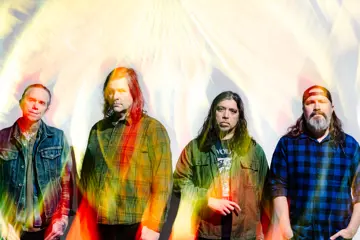
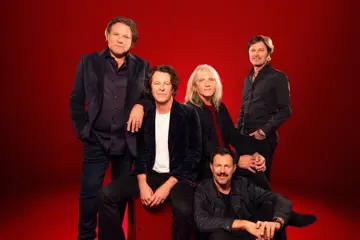
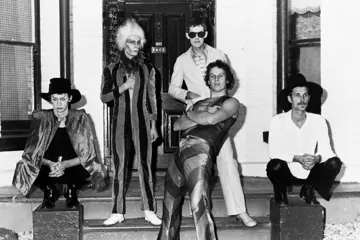
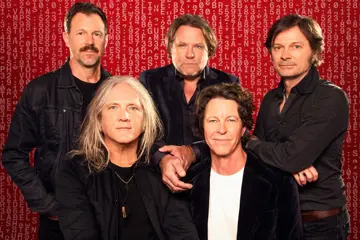
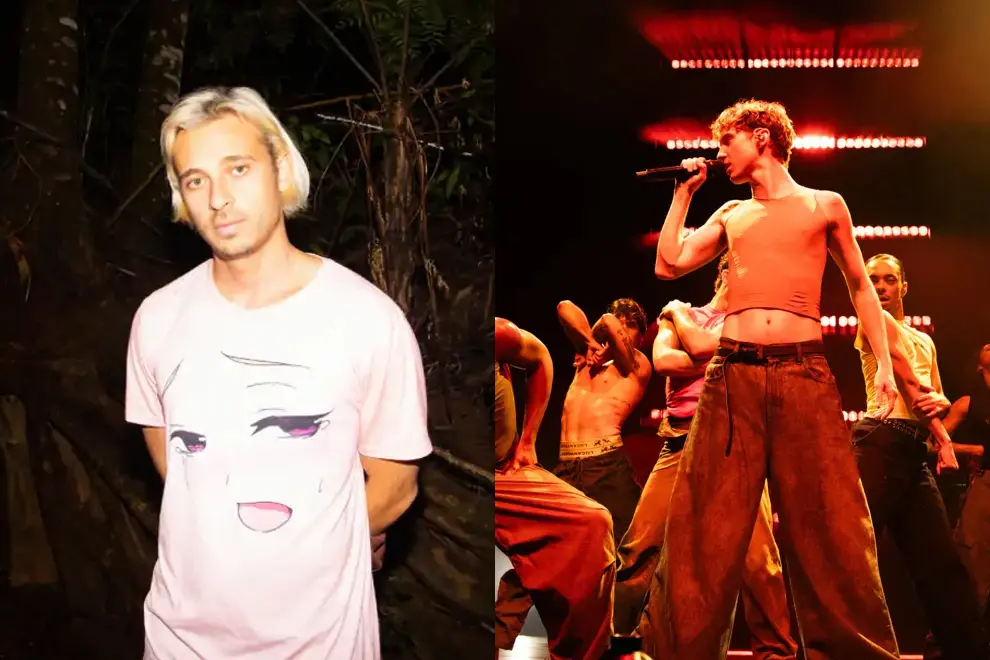
The music video network asserts, “Australia's music nostalgia boom is no longer just about INXS, Men At Work, and AC/DC, with artists including Troye Sivan, Tame Impala, and Flume experiencing renewed engagement as audiences reconnect with the sounds and cultural moments that defined the 2010s.”
Among Gen Z audiences, Tame Impala recorded a 58% uplift in catalogue engagement. Troye Sivan and Flume saw increases of 51% and 44%, respectively, compared with each artist’s typical viewing levels.
In the Gen Z camp, 54% are drawn to music from the 2000s and 41% to the 2010s.
For Millennials, 64% are turning the dial to sounds from the 1990s and 50% for the 2000s.
Over Gen X-land it’s 75% for music from the 1980s and 54% from the 1970s.
Legacy Acts
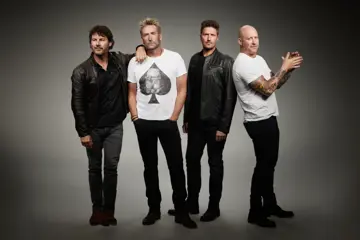
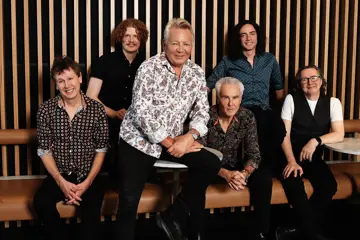
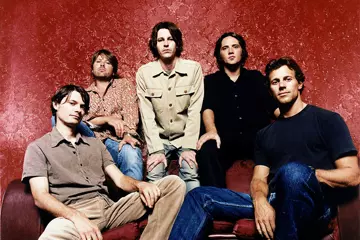
But iconic legacy acts’ catalogues still move. In January, INXS records had a 792% spike in Vevo views during January, caused also by Michael Hutchence’s birthday being on January 22, and the start of a campaign for them to be nominated for the Rock And Rock Hall Of Fame.
Men At Work's catalogue, especially Down Under, increased 353% around Australia Day.
AC/DC’s views were up 92% after their 2025 Australian tour, which shifted 320,000 tickets on its first day of sale, easily doubling that number by the end of the tour.
Tim O'Connor, General Manager APAC Sales at Vevo, says the findings highlight the continued power of Aussie music to connect generations.
"Australian artists have always played an important role in shaping our cultural identity and shared memories, and it is fascinating to see how those connections are forming across younger generations.
"There's something special about watching a music video that defined a moment in your own life and then seeing a younger audience connect with it in a completely different way. That deeply personal but shared experience is what makes music such a powerful cultural force."
Music is identified as the strongest driver of nostalgia overall, with 88% of respondents saying it evokes nostalgic feelings, ahead of movies, television and gaming.
Breaking down into genres, Pop was the one that all age groups yearned for. Hip hop remains a pulling power for Gen Z and Millennials. Up to 37% of the latter were drawn to R&B and the older Gen X were fans of rock.
Content triggers as much as visiting places they used to go (76%), revisiting photographs and old videos (75%), playing with toys, games and hobbies (71%) eating food and snacks they ate as kids (64%), seeing social media posts or “memory” reminders (59%), and wearing or seeing fashion from earlier decades (44%).
Nostalgia is regarded as an “every day” thing. 88% believed nostalgia makes emotional experiences “feel deeper and more meaningful”.
79% think nostalgia is just as powerful as discovering something new. 71% like reading about stories behind past events and trends.
Of those who took part in the study, 88% consider music feels the most nostalgic to them.
That’s ahead of movies (81%), TV shows (80%), gaming (50%), sports (41%), sci-fi fantasy (36%), comics (34%), live theatre (31%), and anime (24%).
According to Vevo, music videos remain the most nostalgia-creating music format for 68%. They outperform audio-only tracks (59%) and live performance videos (50%).
“Nostalgia is a timeless, powerful driver of engagement in today’s streaming era,” points out Laura Vanison, VP of Research & Measurement at Vevo.
“The visual storytelling of music videos transcends the music itself and creates a deep emotional and psychological connection for fans both new and existing – in a way that few forms of entertainment can.
“Music videos from the past uniquely provide context to songs and major pop culture moments, making them an iconic source of inspiration.”
The trend is playing out globally. In the UK, early 2000s indie artists including Arctic Monkeys, Franz Ferdinand, and Nirvana are experiencing renewed interest.
Long forgotten Disney Channel stars are sparking new careers in the United States.
JP Evangelista, EVP, Content, Programming & Marketing at Vevo explains: “The ease and accessibility of streaming is accelerating the discovery and use of nostalgic content more than ever before, from fuelling engagement with legacy artists to actively shaping the latest premieres.
“However, it's not just about revisiting what you loved years ago; people are craving shared moments and experiences, a contrast to the fragmentation driven by personalized algorithms.
“That’s why nostalgia has become a powerful form of cultural currency. The entertainment industry at large – from artists and their teams to production studios – are meeting this desire and have been incorporating nostalgia into music, fashion, TV and beyond.”
This behaviour was obvious when TikTok’s end of the year in 2025 showed 20 of its top 50 songs were catalogue tracks and not new releases.
Billboard revealed back in 2014 how current release sales declined steeper (38.1%) than catalogues (22.4%), especially with younger consumers buying vinyl, CD and, to a lesser extent, cassettes. In Australia, the latest ARIA figures showed CD revenue up 29.6% to $21 million and units passing the 1.5 million mark.
In America, research company Luminate’s mid-year report (January to June 2026) CD sales were up 16% to 16.3 million units, while vinyl grew 2.4%.
Brands
Nostalgia is a boon for record companies and brands to target those younger music fans who easily duck their campaigns.
For record companies it’s a way to increase digging the gold mine that are back catalogues. 78% tell Vevo hearing older music reminds them of a particular person or event.
But for 69% it triggers them to hunt down an artist’s back catalogue and their genres, and 67% feel the pangs to listen to music from that era.
For brands, according to the report, the findings are old records are more effective than emotional content in strengthening their connection with their customers (by up to 22%), re-engaging with them (up 17%), reinforces brand heritage (10%) and relate-ability (8%), deepening relationship with long-standing customers (11%) and more open to trying out new products as a result.
This piece of content has been assisted by the Australian Government through Music Australia and Creative Australia, its arts funding and advisory body