 East 17 Profile
We thought the megamix was left behind last century, but out of nowhere, the East 17 Greatest Hits that nobody asked for has come screaming around the corner putting the whole genre back in play. Long derided by “real” music fans, the ‘megamix’ was a way to jam a whole bunch of hits together in one hastily concocted mash of hooks and if ever there was an indicator of commercial music decadence, the megamix was it.
East 17 Take The Megamix Plunge
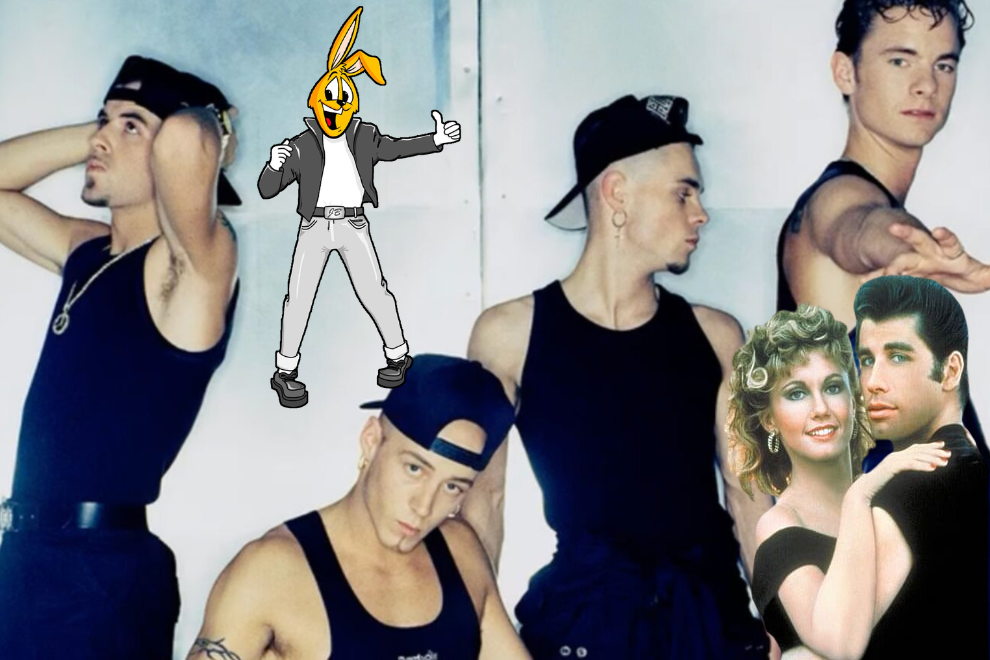
This week, East 17 have emerged with their first megamix, about thirty years after they slipped away from relevance. They were the bad boys you secretly wanted to pash when Take That were safer to take home to Mum. Their first three albums saw all their hits, before drug use, multiple line-up changes and some of the worst pop music recorded in more recent times saw them become the “package tour” band that tours today with one original member who neither sang lead nor wrote songs in the original act.
That aside though, the East 17 Megamix reminds us of what made them great. There’s House of Love, Deep, their Christmas #1 Stay Another Day and the hit that signified their pinnacle in Australia, It’s Alright along with a bunch of others you’ve forgotten but will have you going “oh yeah that one!”. The mashup is a bit hamfisted (as they all are) and of course East 17 is unlikely to be to your taste unless you had a poster of them on your wall as a kid, but it got us thinking about the other great megamixes. Is this the start of a new trend and who could be the next cab off the rank to give it a go?
History of the Megamix
Mashing together songs was pioneered in the 1970s, putting DJ mixes together on record. Tom Moulton’s Gloria Gaynor Medley from 1975 saw three songs Honey Bee, Never Can Say Goodbye and Reach Out I'll Be There mashed together into a nineteen minute full side and is widely considered the beginning of the trend.
In 1981 Grandmaster Flash dropped The Adventures of Grandmaster Flash on the Wheels of Steel, a fast-cut collage of existing masters. Now we’re getting close.
Stars On 45 Starts The Medley Craze
Billed as a ‘medley’ rather than a megamix, 1981’s Stars on 45 was easily the kick-off of the megamix craze. This Dutch studio creation mashed hooks from a bunch of songs together in one continuous track. The 7” single version contained eight Beatles songs, plus Shocking Blue’s Venus and The Archies’ Sugar Sugar alongside the ‘original’ Stars on 45 theme which recurs throughout.
A 12” version included an additional disco section with Boogie Nights, Funkytown and Video Killed the Radio Star plus another eight 50s and 60s classics. The full LP version is a continuous 16-minute Beatles medley with thirty different songs, just for the fun of it.
It was a global smash, reaching #1 in the US and #2 in the UK (where the artist was credited as Star Sound). Here in Australia it spent four weeks at #1 where it kept Men At Works’ Who Can It Be Now from the top.
Perhaps the greatest gift of the Stars on 45 era? Weird Al Yankovic’s Polka on 45 from 1984, creating a tradition for his future albums.
Hooked On Classics: Early 80s Copycats
From there, everyone cashed in on the medley game. Stars on 45 themselves had volume two and three. The Beach Boys and The Hollies tried their own versions, the former becoming a top 20 hit in the US.
Here in Australia though, we were a little more high brow and turned our attention to Hooked on Classics. The Royal Philharmonic Orchestra sold multi-platinum in Australia taking the Stars on 45 format and adding a disco beat to the world’s greatest composers. Whether Mozart, Beethoven Tchaikovsky and Rossini would have approved remains to be seen, but nothing says class like having this in your collection, as every garage sale vinyl pile will still attest to today. The song itself got to #9.
The Megamix Is Born
In February 1983, on the debut subscription cassette released by Tony Prince’s Disco Mix Club (DMC), the first recorded mash up to be dubbed a megamix saw the light of day, with Alan Coulthard’s Shalamar Mega Mix splicing together the greatest hits of the now largely forgotten R&B/disco group. Soon after, in late 1983, Coulthard created the Club Fantastic Megamix for Wham!
This one put the Megamix on the commercial agenda, making it to vinyl: the first time the word ‘megamix’ made it onto a record sleeve. It was very early in Wham’s career so didn’t cover most of the hits they’d go on to become famous for, but here they were breaking records even in 1983.
Jive Bunny & The Mastermixers
By this time we’re slamming through the 80s with megamixes and medleys at ten paces. The phenomenon quietened a little towards the end of the decade, but was to come back in a big way with the explosion in 1989 of Jive Bunny & The Mastermixers’ Swing In The Mood. The versatility of the megamix was well on show by now. Whether it was rock n roll, classical or pop, no genre was safe.
For Jive Bunny, another UK studio creation splicing 50s creations like In the Mood, Rock Around the Clock, Hound Dog and Jailhouse Rock, it struck gold again, with Australia pushing it all the way to #1, ironically unseating Cher’s If I Could Turn Back Time.
The marketing genius of Jive Bunny was that rather than being a faceless DJ like Stars on 45, this time there was a cartoon rabbit, perfect for the MTV generation. Unlike Stars on 45, Jive Bunny also cleared the rights for original recordings, making the single a truer version of the megamix.
Grease Megamix
By this stage, record companies had realised that a Megamix was the perfect way to revitalise a catalogue that had gone stale or re-introduce music to a new generation. As it was in 1990, the movie Grease was celebrating its home video release and to promote it, a megamix was commissioned to put together all the classic songs.
Nowhere was it a bigger hit than in Australia where it hit the top of the ARIA charts for five weeks, spoiling the plans of Extreme’s More Than Words and Paula Abdul’s Rush Rush. The song was a phenomenon, re-igniting the movie with a whole new generation.
It was such a success, that Polydor had another crack seven years later, as the 20th anniversary of the movie approached, again storming the charts at #34 but helping push the soundtrack album back to #1. Reconnecting the songs with a third generation means that still today there’s not a wedding or school disco not likely to have this one blaring through the speakers, just waiting for the whole room to yell “niiiiiiiigggggghhhhhttttsss”.
90s Megamixes
By the early 90s, megamixes were everywhere. Boney M joined in the trend and used a megamix to push a new greatest hits to great effect. Even our own Kylie dropped Kylie’s Smiley Mix in 1990 on the b-side of Never Too Late.
Eurodance was hitting a peak, with rapid-succession hits creating the perfect storm for the format. In 1990 Technotronic kicked off the trend in that genre, with a #13 chart position, followed by Snap! the following year. 2 Unlimited also made use of their string of bangers as did later 90s hitmakers like Corona, La Bouche, DJ Bobo and Culture Beat to pump the heart on their careers when the hits started to dry up.
2000s Megamixes
As the new century dawned, the tide of megamixes started to stem. With the rise of downloads, the ability to get “value” out of a megamix CD feeling like you got a whole album for cheap started to dry up. In a world you could just play any song at your fingertips, the novelty of a megamix gave way to the novelty of choice.
That didn’t stop a slew of early 2000s efforts, including Britney Spears, Steps and S Club 7. By the end of the decade though, the era of the megamix was largely over. Creating your own megamixes or mashups to post on Soundcloud or Beatport was the new name of the game.
Mash Ups
With the shackles of legality thrown off, the game was now open to everyone. The MP3 generation opened up a whole new era of creativity. As turntables and tape gave way to software, it was now possible to play the songs on top of each other rather than simply bump them together. The ability to time stretch without pitch shifting opened up a whole new realm for bedroom DJs and bypassing the labels with illegal bootlegs was all part of the fun. In 2004 Dangermouse’s Grey Album a mashup of Jay-Z with The Beatles White Album was an underground smash, sparking a very predictable legal battle.
The Mashup Goes Underground: Then Licenced
In the 2010s mashups were frequent with tracks like DJ Earworm’s United State of Pop annual megamix becoming legendary. As the decade continued however, copyright detection became much stricter with platforms like YouTube and Soundcloud dropping infringing tracks from the platform.
The record labels started getting smarter however, finding tracks floating around the underground and licencing them for commercial release. Now, there’s still a vast underground of creators, but the labels instead of swooping to sue, they swoop to sign. What started as a record company cash-in back in the days of Stars on 45 went full circle and ended up back where it started.
Where To Next?
So is that it? Is it just legal now and we move on? Or is there still evolution to come? As it turns out this journey into megamixes was a rabbit hole fit for a Jive Bunny and who knows what’s next. One thing’s for sure. We didn’t expect the signpost to come from East 17.